
Accompaniment in fear, in suffering, in trauma: that seems to me to be an appropriate call for Christians over the past three Easters. We are still sitting in a messy, middle space – enduring in grief, and hoping for a new day, a new creation.
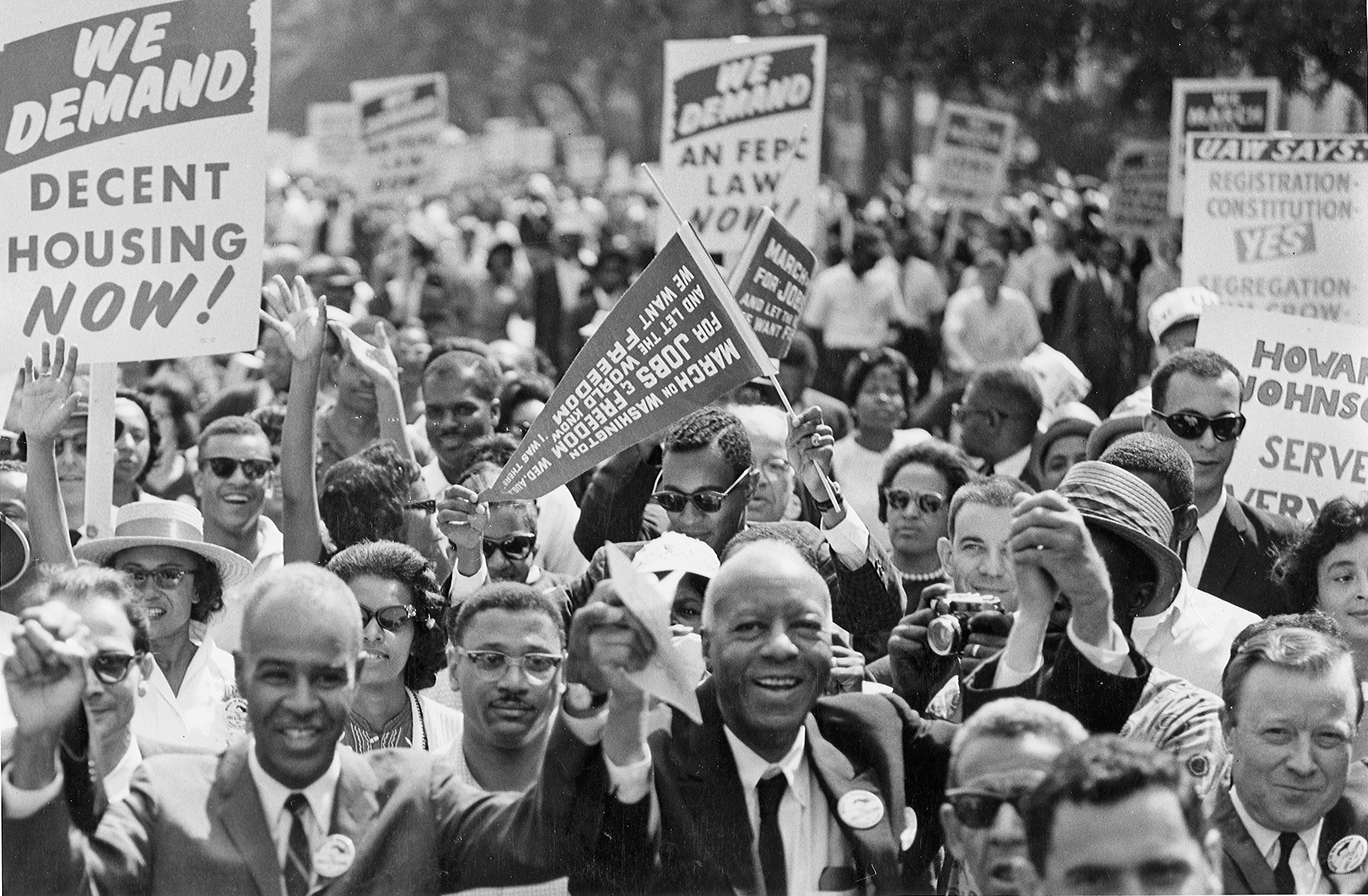
Wink’s approach throughout the Powers trilogy is fundamentally a reappropriation of the Biblical texts in light of contemporary concerns. Far from being a “really bad” reading of scripture, it is an excellent example of constructive Biblical theology… The answer he proposes is a wholesale reevaluation of both the Biblical conception of the Powers and Principalities, as well as their relevance to the modern world.

Put on your feet whatever will make you ready to proclaim the gospel of peace. These shoes are not weapons, nor are they articles of protection. We are instructed to put on a pair of shoes that makes us ready to proclaim the gospel of peace. We are not prescribed jackboots to save ourselves. Nor are we charged with some soft slipper of gentleness. We are instructed to find shoes that make us ready to proclaim the gospel of peace.

I believe the recognition that wisdom and love go hand in hand cannot simply be abstracted as some general and vague love for the world and its persons. It is, in fact, a general and abstract love that often becomes complicit in ways of death.
Rather than read it prescriptively to justify my own identification as a “righteous Christian,” I now read this passage for what it is: a poem that describes the resilience of a people who found true comfort and safety in God, despite attacks from those who would cause them harm.
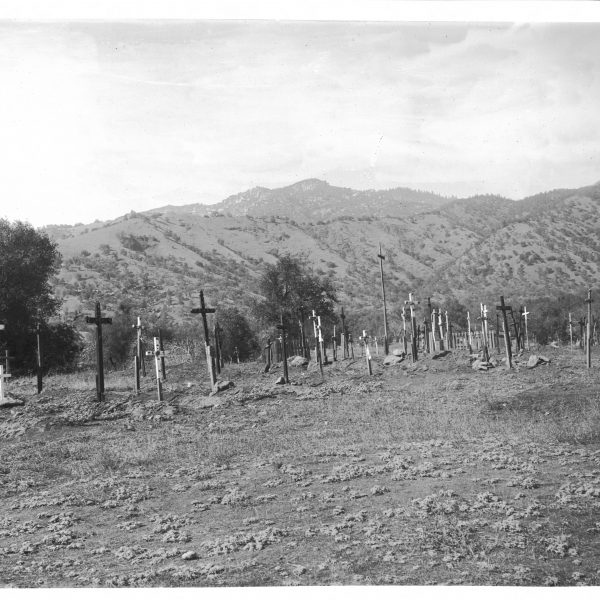
The witness of the land cannot be escaped. Whether in its memorials of divine faithfulness, or its testimony to our sins, it will not be silent.
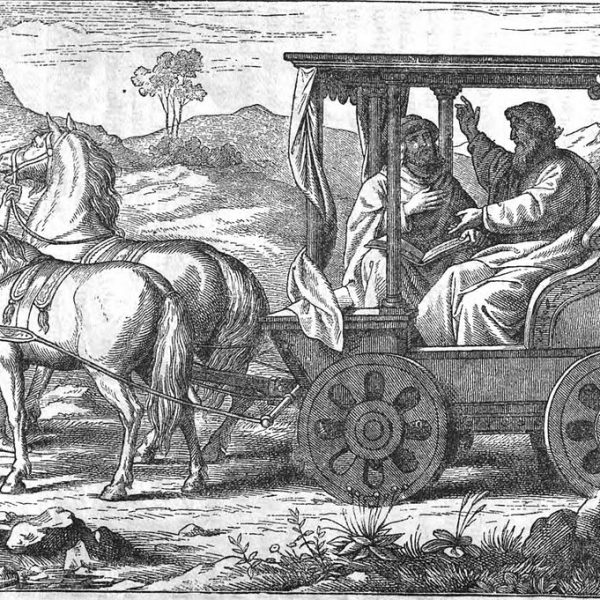
In both Luke’s account of the Ethiopian eunuch and John’s discussion of love, the New Testament holds out the promise of a chastened yet real utopian vision, founded in God’s self-gift in King Jesus.
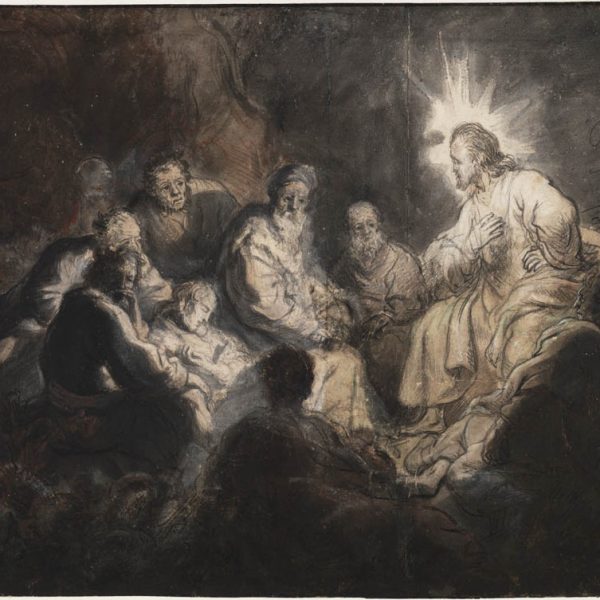
In the first beginning, the Word gave form to that which was formless; in this new beginning, the same Word speaks a word and brings peace to men who are afraid.

Later Calvinist texts, like the famous Vindiciae, Contra Tyrannos, would go further than the Reformer and claim natural law defenses for resistance.[1] I want to contend that Calvin’s principles provided a basis for this kind of argument, even though Calvin did not take this route in his own thinking. And the place to begin this line of argument, I think, is with his comments on the sixth commandment.
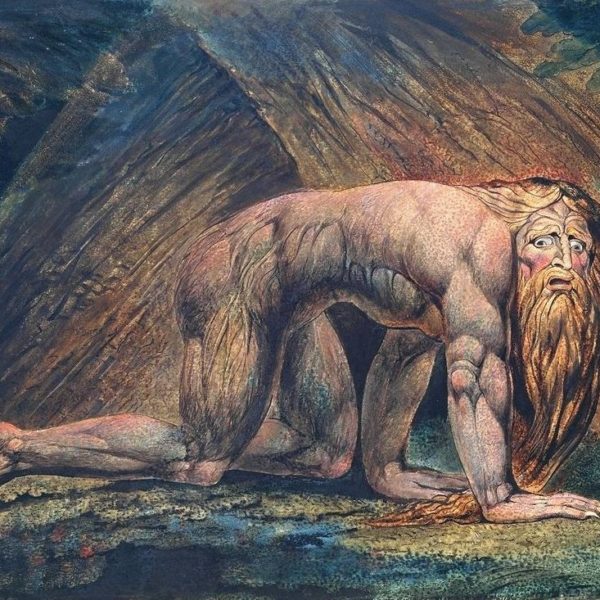
The first goal was to open up how students “read” a text, which in turn means opening up how they understand both “scripture” and religion. In that regard I consider myself a Blakean – I read the texts as poetry, most of all, but reified into “theology” and law by “priestly” types, so that, to experience those texts again we must go behind how catechisms have taught us to read them.