Resisting the temptation to romanticize the prelapsarian state of affective and sensory innocence before the fall into conceptualization, Largier attends to contemplative practices that open the discursive mind to be interrupted by figuration.
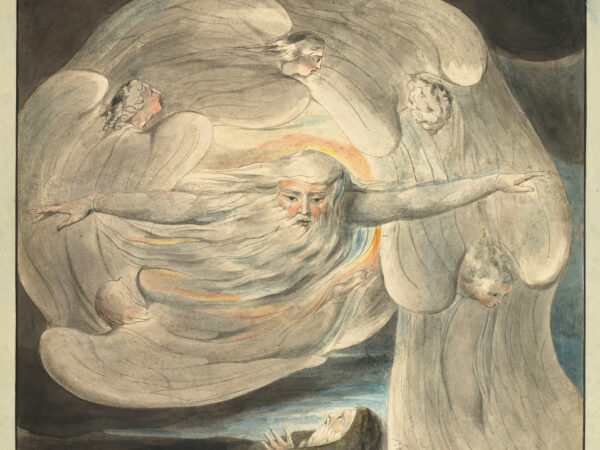
The question then is not so much: “Can providence be liberative?” but rather, “How might liberation be understood as God’s providence?”
Both books evoke a sense of nature that likewise challenges and transcends conventional notions of creation as a passive, static object of divine activity. They do so by having nature engage with and even touching on the divine, or at least creating the conditions that allow such a touch to happen.

If Christians believe in a God of the oppressed, it is incumbent upon them to similarly locate themselves on the side of the oppressed.
Mary, an unmarried peasant girl, is pregnant. Though scarcely an intimidating figure, her words in the song ascribed to her in Luke’s Gospel—known as “The Magnificat”—ought to make those of us who are privileged people stop to think, if not to fear.

Rather than read it prescriptively to justify my own identification as a “righteous Christian,” I now read this passage for what it is: a poem that describes the resilience of a people who found true comfort and safety in God, despite attacks from those who would cause them harm.
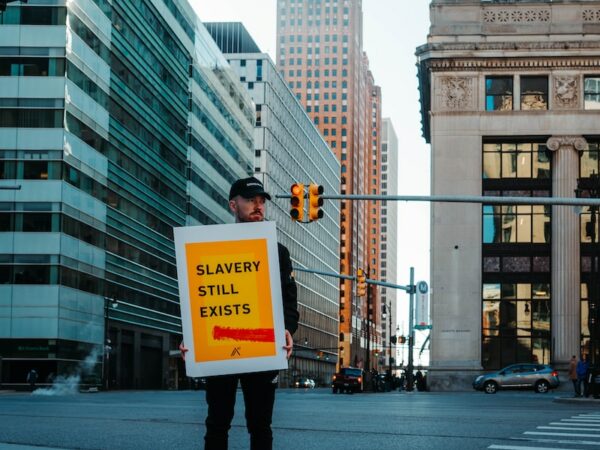
The Exodus event and the liberation of slaves from Egypt is not only the foundational story of Israel’s identity, it is also meant to be the key to understanding who God is in Hebrew Scriptures. Let that liberation be how the world continues to hear the name of God, today.

Whatever our exegesis of scripture and tradition may suggest, it is imperative that we take into account the pain and damage our religious piety causes to others. Is our perception of divine instruction sufficient justification for actual injury (physical, psychological, and/or spiritual) to our neighbors?

The transfiguration stories in scripture, and their mountains, are not places of answers. They are places of raw honesty about our own limits. They are places where words give way to water that flows where it will, to sustain life. They are places of confronting grief and loss. They are places of silence. And these mountains are places to wonder at the mystery of the God who created us to need each other and this earth.
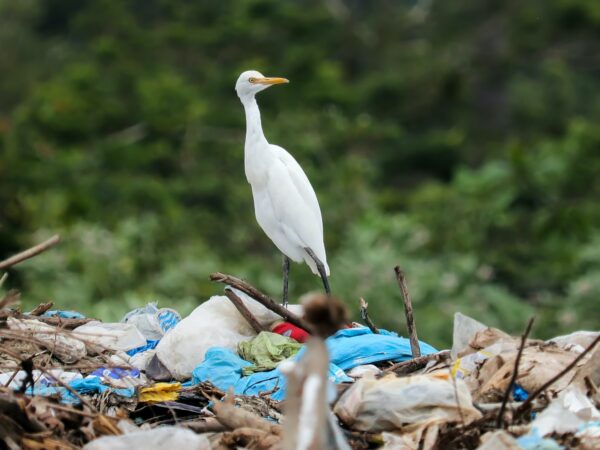
In displaying its cosmic vision, Psalm 8 invites its readers to participate, in some limited way, in the divine perspective that exceeds our own, in which anthropocentric fantasies are judged and redefined.
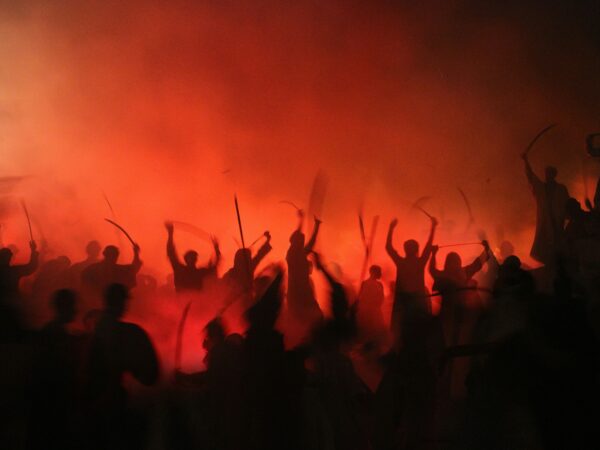
While the Judahites were the recipients of physical violence, they only had the power to return rhetorical, fantasized violence. They were forced to entrust actual retribution to other powers: to God, and perhaps to the Persians (envisioned as God’s agents).

Can the Spirit provide comfort when confronted by such great sin and suffering? I offer a tentative, hesitant yes. A Spirit committed to justice is a Spirit that will lament injustice.