
What would it mean to take apocalyptic talk as a sign of the times: as revealing, uncovering, and disclosing something basic about the cosmos? Could such talk be the beginnings of an eco-apocalyptic political theology?
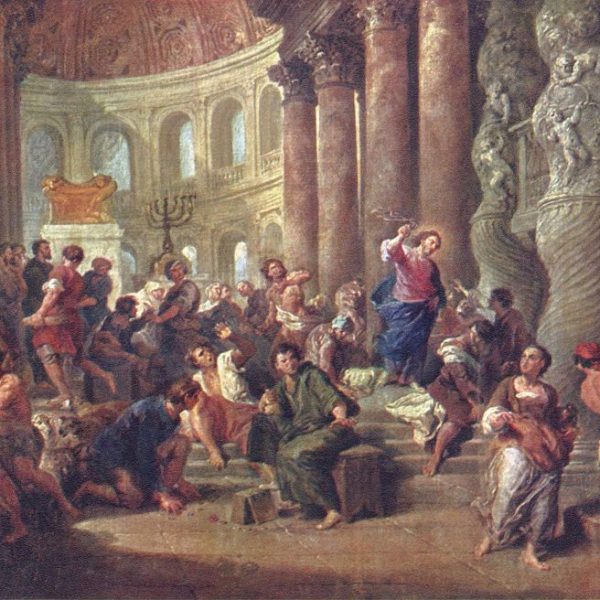
When Jesus clears out the Temple in John 2, he presents a vision for the reformation of God’s house. As questions about guns in churches are raised once again in America, this vision is one to which we must attend.
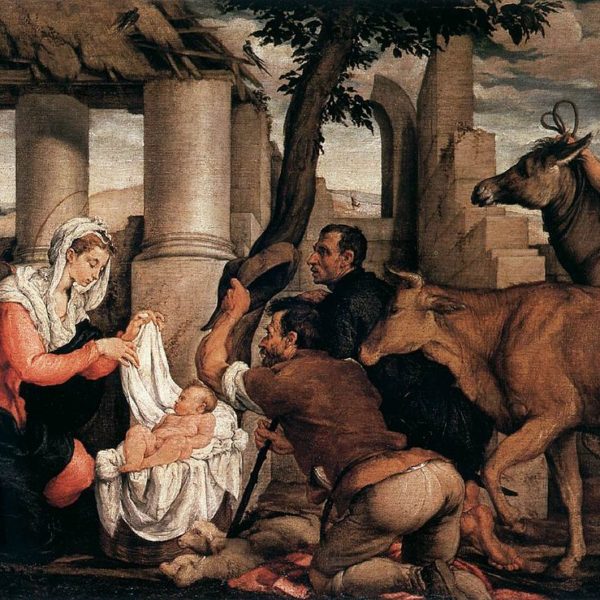
The story of the sign given to the shepherds—the Child wrapped in swaddling clothes, laid in a manger—both recalls and anticipates other scriptural events in significant yet surprising ways. It also reminds us of our vocation, as those who must declare the good news of the sign of Christ to the shepherds of our age.
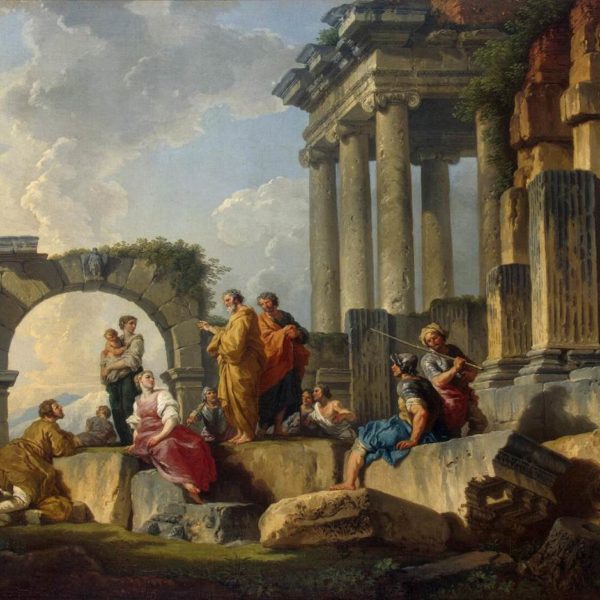
The Apostle Paul’s discussion of the dynamics of his gospel ministry in relation to the Thessalonian Christians offers us arresting images for considering the reality of the truth and the bonds of trust by which societies are formed and held together.
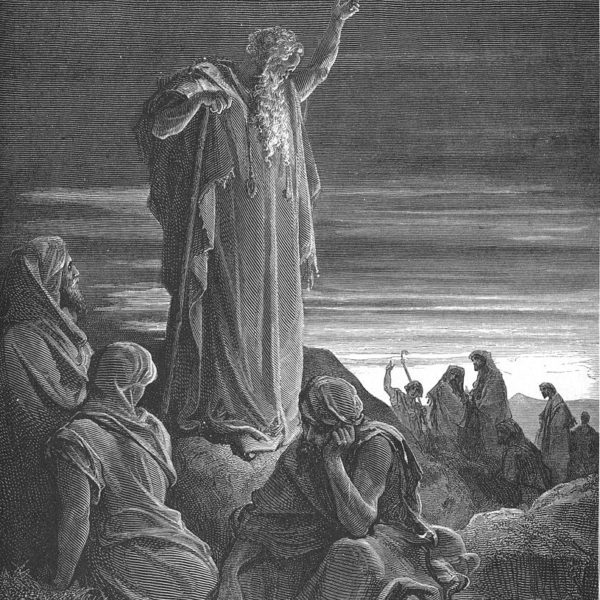

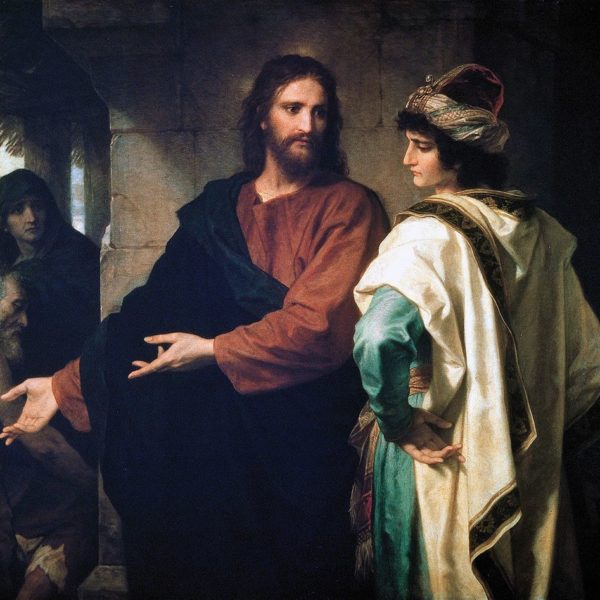
In his challenge to the rich young ruler, Jesus also challenges conservative family values politics, offering us an alternative vision of relations in the kingdom of God.
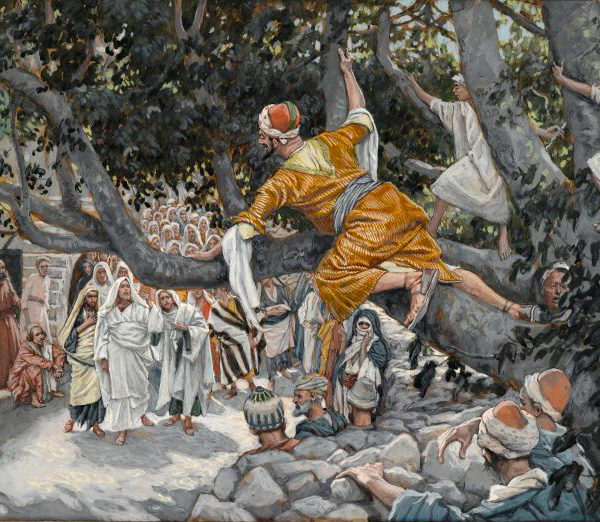
In the declamation of Isaiah 1, the prophet associates Judah and its rulers with Sodom, for their inhospitality, injustice, and the presumption that they can hide this from God. Zacchaeus, a man characterized by such Sodom-like injustice, is delivered from this as justice is welcomed into his house in the person of Jesus.
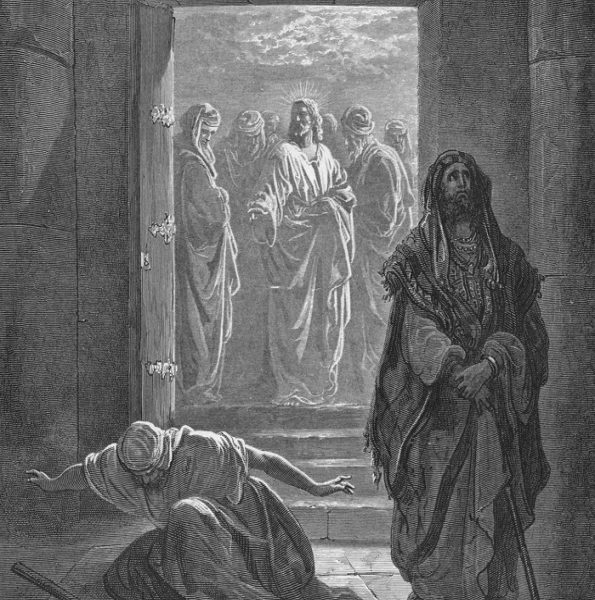
The Parable of the Pharisee and the tax collector is situated against the backdrop of the promise of the coming kingdom and the vindication of the righteous that will come with it. We too can look for future vindication and Jesus’ parable may speak to our own convictions about being on the ‘right side of history’.
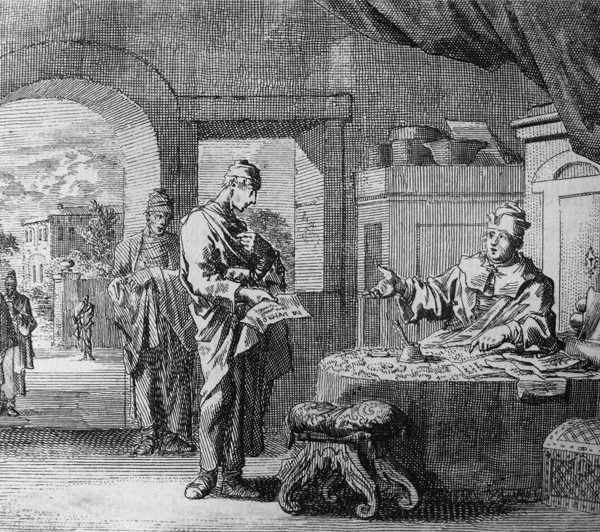
As in the case of the unjust steward in Luke 16, a radical change in our handling of money is required, if we are to survive the great day of accounting that is to come. We must use the limited time and opportunity remaining to us to escape the clutches of our greed and expend our dirty money to pursue true and incorruptible riches.
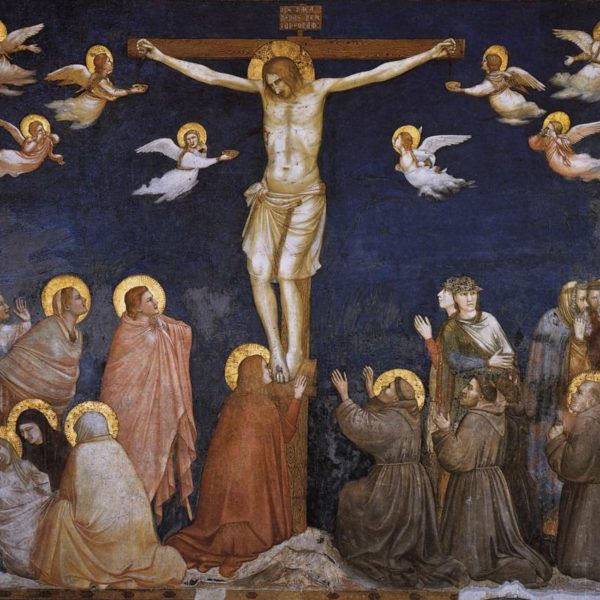
Paul’s vision of a social body formed around a crucified Messiah turns on their head many of the prevailing dominance models of society of his own day. The concern for members of society otherwise marginalized and devalued produced by such a political vision is one with considerable relevance to our own day.