
“Acting on behalf of the child, the prison establishes itself as both a necessary evil and a transcendent force for good.”
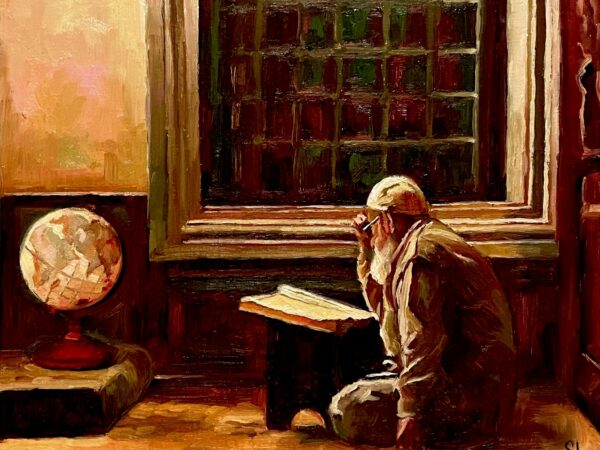
The idea of the modern secular presupposes the existence of a holistic premodern world in which the amorphous phenomenon of religion penetrated all realms of life. But the existence of an Islamic distinction between the religious and non-religious domains suggests otherwise: not a latent secularity, but rather a difference of an altogether different kind. But if it is not equivalent to the “secular,” then what is it?

In the midst of a complicated and troubled world it may seem impossible to make a difference, and yet, the wish of a little Israelite girl says otherwise. The spirit of the young Israelite girl and her larger cadre of enslave servants to Naaman live on today in the resourceful actions and tireless work of so many influential youth in our world, those whose passion and will for change persist.

Jezebel embraces her gods just as Elijah does. When the prophets of her gods are mocked and killed in a most disrespectful way, Jezebel is angered. In the face of death, she remains fearless. Her fearlessness combined with her reverence to her gods in a foreign land makes her an example for contemporary women.
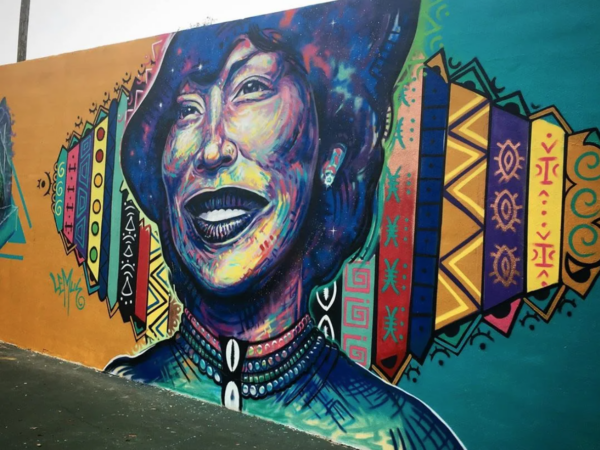
The best place to begin in bringing theology and anthropology closer together is with someone who did not write as if the two were separate, even opposed disciplines. Zora Neale Hurston carried out ethnographic fieldwork on behalf of Franz Boas, and yet, writing in multiple genres, articulated a theological vision that meshed the universal God with particular human experience: “Nothing that God ever made is the same thing to more than one person.”

What if Zephaniah’s addressees had a right to mourn, lament, and rage against the wrath of Yhwh? Afterall, Yhwh’s favor is fickle in Zephaniah, entirely contingent on a particular obedience and only coming after the divine wrath is spent.
Formulating a rigorously historicist approach to contemporary cultures of Islam can build on Asad’ pivotal concept in The Idea of an Anthropology of Islam: not the “discursive tradition,” but the discursivity of tradition. Already implicit in its reiterative tradition, the modernity of Islam consists in the reconfigured powers of discursivity beyond discourse.
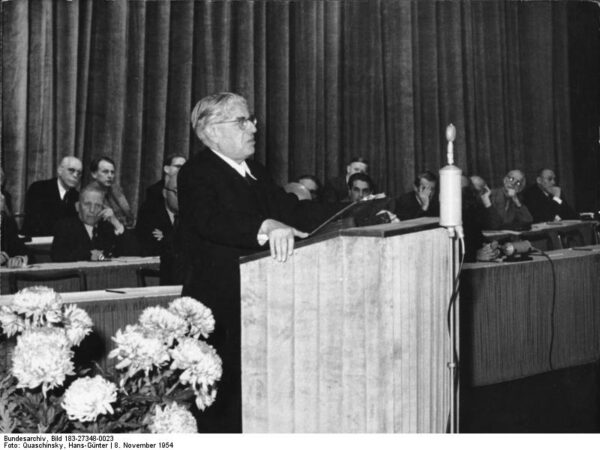
In many ways, Bloch’s work inverts the classic dictum of political theology advanced by Carl Schmitt, that “all significant concepts of the modern theory of the state are secularized theological concepts.” For Bloch, theological concepts are intimations of the freedom of the secular and revolutionary socialist society.
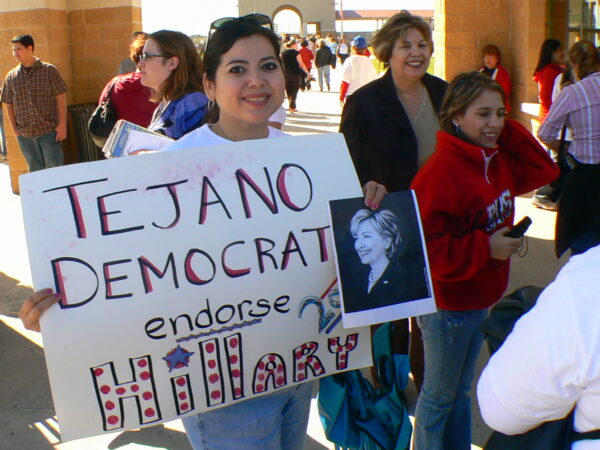
Pentecostals’ political commitments reflect processes of memory and amnesia, assimilation and identity… the stronger the memory of sojourning, migration and exile, the healthier the entrails of compassion for the soujourner’s wellbeing; the greater the distance from the memory of a wandering past, the greater the buy-in to a nationalistic Malthusian ideology that, among other things, paints the sojourner as law-breaking menace to the host society.

Whether the text of Ephesians directs its audience to anger or simply acknowledges the common experience of anger, one thing is clear: anger is not to be condemned.

This Christmas season, what might it mean to live into the promise of hope fulfilled, when our pandemic experience means that hope strains against lost lives and lost livelihoods? Perhaps it involves visioning a redemption—one built on the social and economic implications of Jeremiah’s vision of those redeemed.
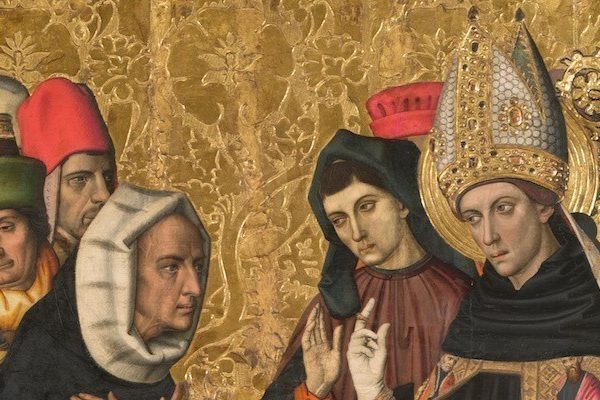
According to Luke Bretherton, theologians, in forgetting that prophetic critique presumes eschatological affirmation, have yet to understand what the work of theology comes to.