
But how could Trump seduce a great majority of the Jesus-believing, Bible-thumping, church-attending evangelical conservative community when his values are so contrary to those of Jesus, the Bible and what the church should stand for?
The point of this text, as well as with many other texts in Acts, such as the selection of deacons and the acceptance of gentiles is that the community is given the capacity of discernment to chart its course and that there isn’t any way to guarantee the success of it’s life together other than these given means.
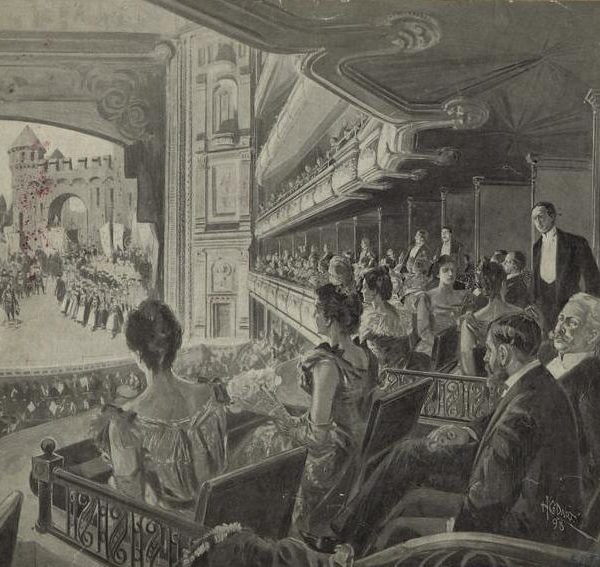

Even the highly professionalized logos of scholarly discourse does not just suffer from logoclastic dynamics but is positively animated by them.

The text of 1 Kings 8 is a conversation, not a monologue. For those of us who look to Scripture to guide our understanding and action in our own context, this text invites us to wrestle, conversationally, with the embedded ideologies of our own political leaders’ projects. Names matter in politics. But humble leadership, for the good of all, ought to matter more.
God chose to speak through a wild man known as John the Baptizer who dressed in animal skins, ate wild honey, and probably had the most unruly hair. The biblical description of his dress and style resembled the prophet Elijah found early in Second Kings. Why then do we ignore God’s trend of speaking through those who diverge from the status quo?
The Book of Esther understands well the challenges of living in a world where one might have to juggle and negotiate different, even conflicting, identities and loyalties– one political, one ethnic and religious. But it is interesting that while these identities are sometimes open and sometimes undisclosed, they never correspond neatly to the categories of “public” political lives vs. “private” religious lives. Esther’s hidden religious identity makes claims on her public life as well as her private life…

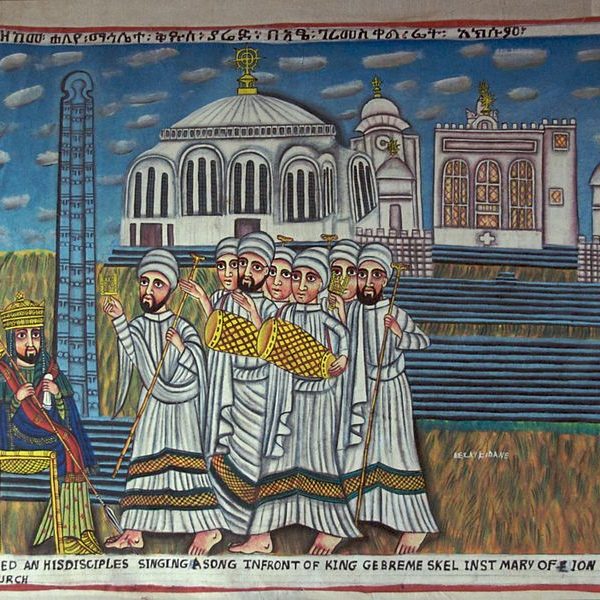
Sometimes politics is less about the leaders and more about whether communities choose to live together in wisdom or folly.

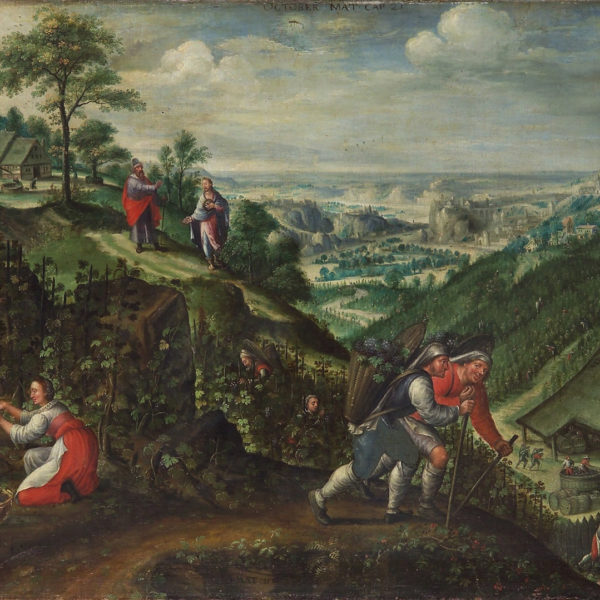
The prophetic parables of the vineyard afford their hearers an illuminating vantage point upon the intergenerational peoplehood and unified moral agency of a nation. They offer us a new way of perceiving our national selves beyond the stifling frame of secularism.