Freedom of speech is the concept that one should be able to express themselves, whatever opinion they may hold. It has never existed as an absolute, and generally the various Western philosophers and thinkers who developed the concept never considered it to be unrestricted – rather most have accepted that there have to be limits upon expression, in order to protect society. Every society has red-lines – limits upon what constitutes lawful expression – and these depend upon the values of that society, contradicting the idea of a universal absolute freedom of speech….
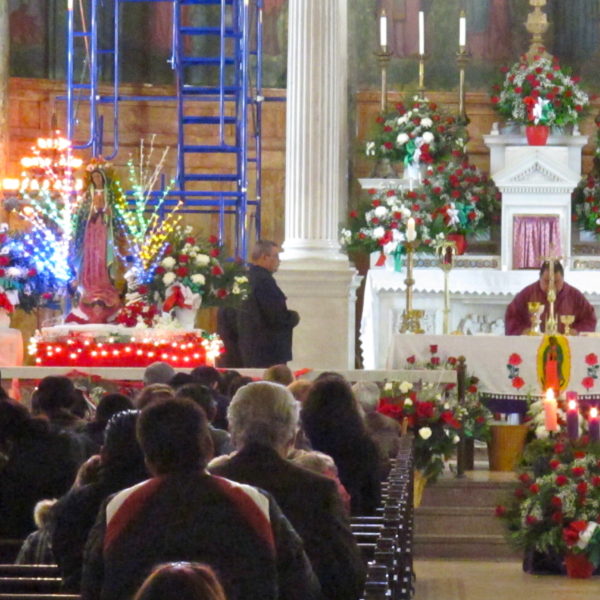
The original unifying function of liturgy becomes lost if we begin to dehistoricize liturgy by shopping among the traditions. Like consumerist postmodern culture, the Emergent Church shops among traditions for forms of spirituality that are useful and pleasurable and incorporates them into general western, melange of religious items….
A critical issue left unaddressed in Bass’s response to Douthat is the state of power relations within mainline Protestant denominations. In her well-intentioned attempt to counteract the corrosive and controlling ‘narrative of decline’ that plagues mainline Protestant communities, she inadvertently diverts attention away from the reality that the majority of their leadership positions and financial resources are firmly in the control of the Baby Boomer generation….
The media has been flush with stories and commentary on religion in the public square. When a panel of religious leaders is called to testify before a congressional oversight hearing, how could it be otherwise? For a country which has canonized a separation between religion and governance these spectacles of power and politicking quickly call into question the Post-Christendom thesis….
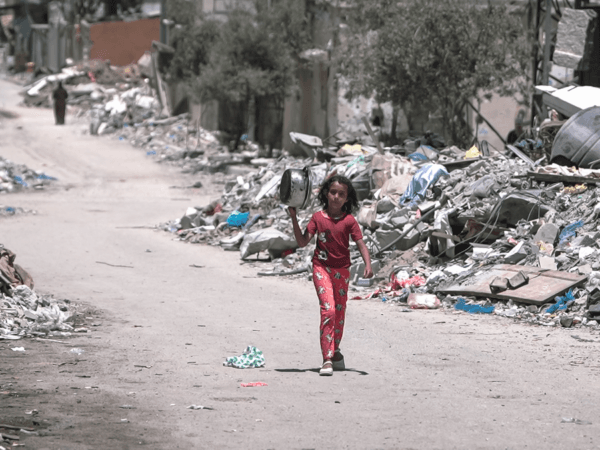
Against the backdrop of Gaza and Europe’s muted response, this essay reflects on Elad Lapidot’s challenge to recognize the violence hidden in the language of peace.
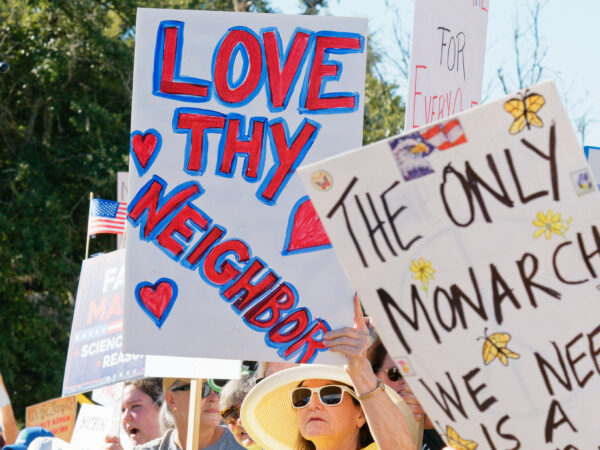
Negativity cuts against a politics of nostalgia (which seeks to conserve the imagined glories of the past) and apocalypse (which rejects the world as irredeemably compromised)
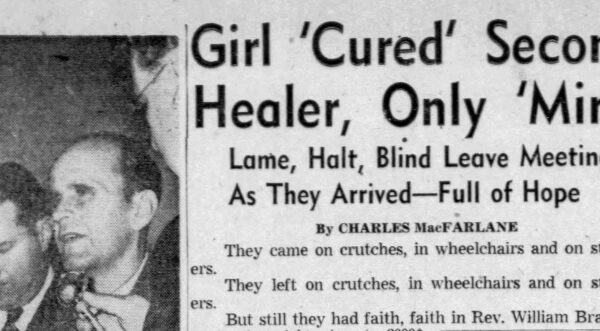
In what follows I want to trace a political theology of miracles that makes possible their circulation in U.S. revivalism. A straightforward theology—namely that God does miracles—is certainly part of the motivating belief for revivalism. But I want to trace here the political contours of revivalisms’ continuous circulation of the miraculous, well past the time that secularization theory suggested that they would give way instead to secularity, science and the enlightenment.
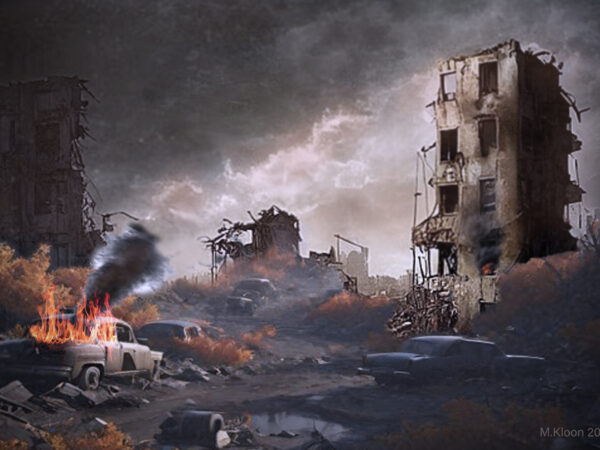
For the twenty-fifth anniversary of the journal Political Theology, we are diving into the journal’s archives to share highlights of what we have published. In this installment, here are some of the articles and blog posts we have published on questions of apocalypse and the apocalyptic.

At its core, Khoja-Moojli’s work explores the Pakistani culture wars and the affective attachments they elicit in the public domain as a discursive clash between the Tahrik-e-Taliban (TTP) movement and the Pakistani state.
Read the Table of Contents of Political Theology’s most recent issue!

Against that paradigm of crisis–critique–historical consciousness, in which phenomena need to be given a proper categorical frame of reference to achieve the fullness of their historical meaning, this essay turns to the theological figure of “tribulation” in order to animate another tradition of thinking the difficulty of the present.
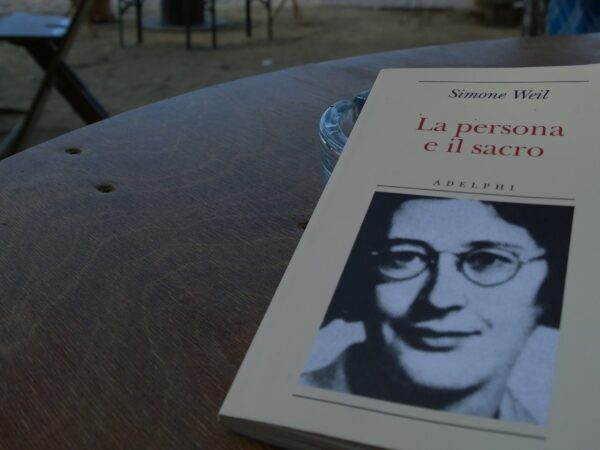
In keeping with the Center’s focus on scholarly and public engagement with issues at the intersection of politics and religion in the United States, we invite reflection on Weil that considers her thought in dialogue with religious life in the US. Please send your 500-word abstracts on Weil and political theology to Fannie Bialek and Ben Davis by November 15, 2022.