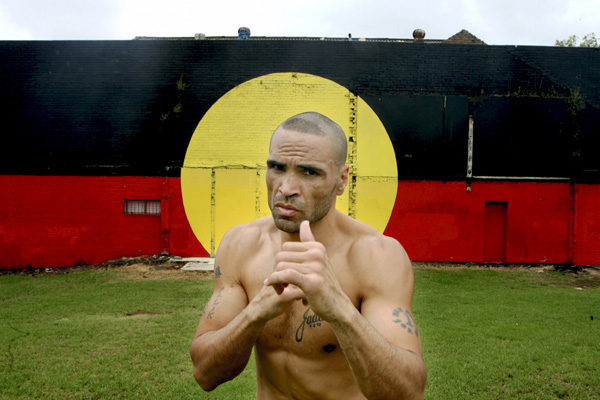
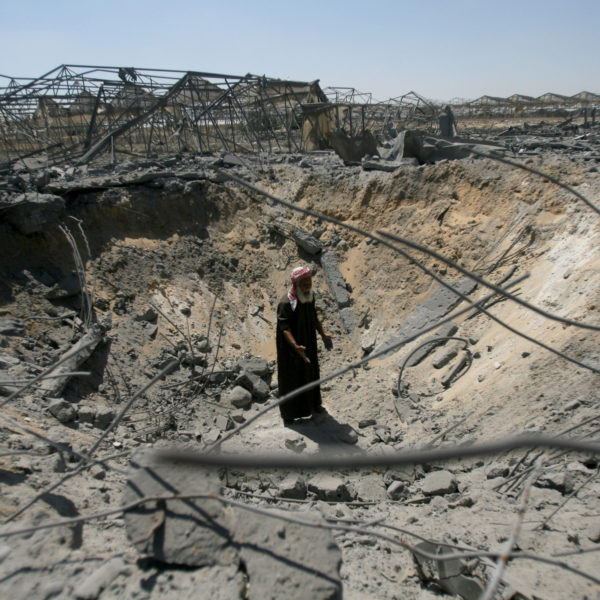
Since World War II, the primary ambition of international humanitarian law — the law of armed conflict — has been to insulate military violence from the civilian population. Military forces are required to identify themselves as such, by wearing clearly marked uniforms, and to discriminate in their selection of targets: They cannot deliberately attack noncombatants or infrastructure that has no military use.
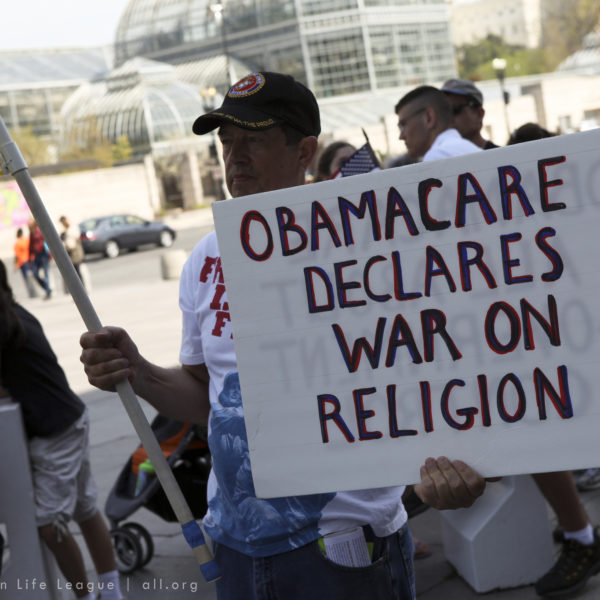
Religion is, of course, no stranger to politics in the United States, a fact that becomes all too clear in election season, as incumbents and their challengers hone their rhetoric to appeal to the theological sensibilities of their base. For better or worse, religion will no doubt continue to play a role in the run-up to the midterm elections. But in the wake of the Supreme’s Court’s decision in Burwell v. Hobby Lobby . . . we can, I think, expect to hear a lot about religious freedom.
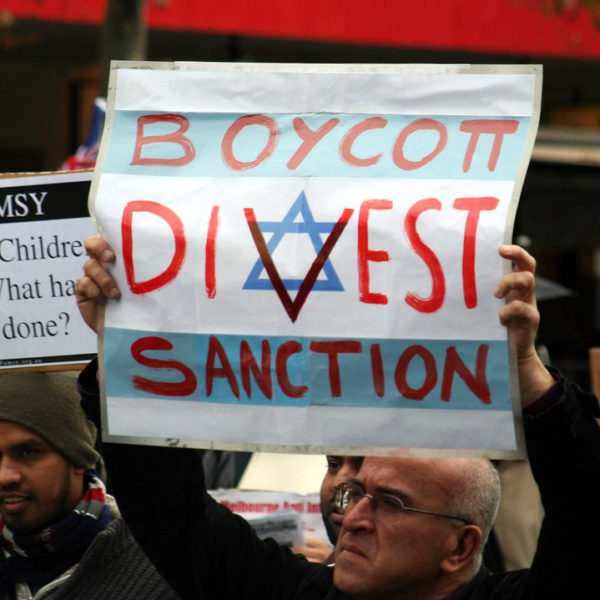
As I compose this, the gloves are being taken off on all sides, and in every direction, over the matter of the Presbyterian Church USA’s 310-303 approval of divesting from three companies (Caterpillar, Motorola Solutions, and Hewlett-Packard) whose business with Israel are seen to impact the Israeli occupation of Palestinian territories.
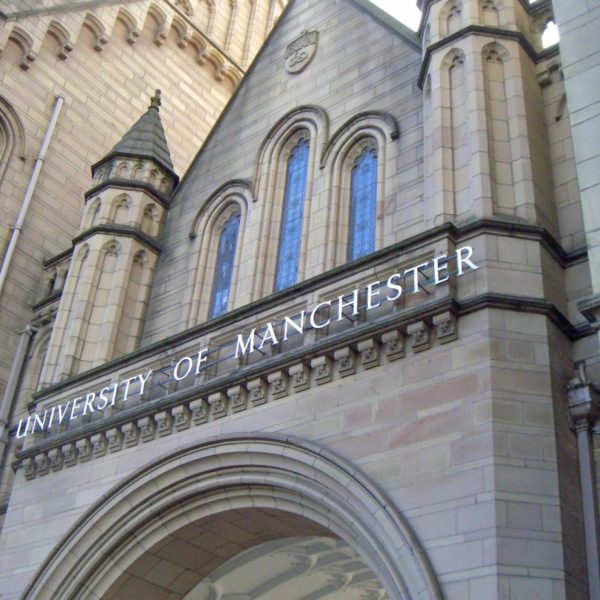
The Lincoln Theological Institute at the University of Manchester invites paper proposals for its upcoming conference, “Postliberalism, Individualism, and Society” (Jul. 11-12, 2014). For those wishing to attend, registration for this conference is now open via the online booking page. See the conference flyer here.
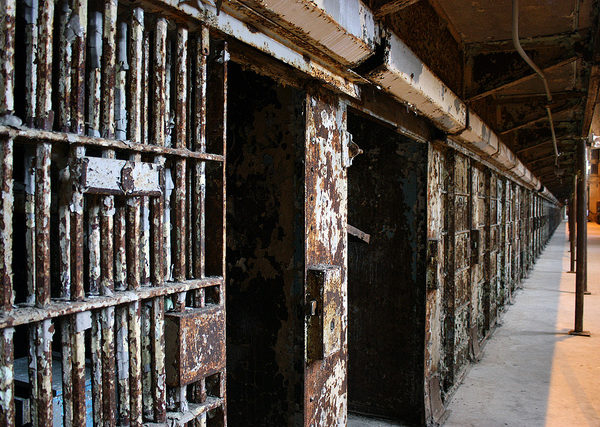
In the account of the slave with the spirit of divination, Paul, Silas, the Philippian jailer, and his family we encounter dynamics of agency and constraint, of freedom and slavery. There are a number of surprising instances of human action within this narrative which nonetheless speaks powerfully of the power and activity of God.

“That which does not kill us makes us stronger,” Nietzsche wrote.
As the global neo-liberal order slowly unravels before our eyes, that recognition holds more true today than ever.
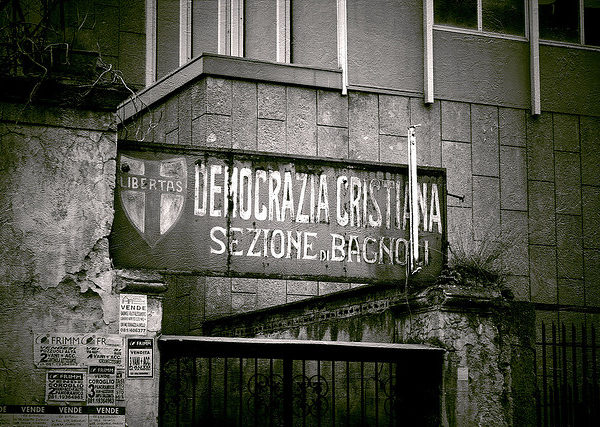
The election of Matteo Renzi represents a low point in the fortunes of political Catholicism in democratic Italy, as engaged Catholics across the political spectrum have less influence over the national government than at probably any point since World War II. This decline in fortunes illustrates the weaknesses of mainstream Catholic political strategies in the post-Cold War era. A cross-country comparison of Italy and the U.S. can help illustrate how the struggles of political Catholicism in the early twenty-first century reflect certain weaknesses in the Catholic Church’s current understanding of its social mission.

The John Cabot University Summer Institute for Religion and Global Politics (May 19 – June 20), co-funded by the European Consortium for Political Research (ECPR), offers graduate students a comprehensive introduction to contemporary issues and debates regarding the roles of religious actors, ideas and institutions in democratic political life and international affairs.
When I was asked to contribute syllabi on political theology I thought it would be a great chance to look back and reflect on how my thinking and teaching on the topic have evolved. I think of a course I am currently teaching under this rubric, even though its title and official description eschew all reference to theology, and some of the very first courses I taught were expressly geared toward the topic of political theology.
The revival of interest in political theology at the turn of the millennium began with Islam, then moved to Christianity. In the wake of September 11, 2001, it became clear that not all religion was fading away, nor was all religion confined to the private sphere. The evidence: radical Islam. But the obvious risk of Islamophobia that accompanied a focus on Islam as anomalously growing and anomalously public prompted some scholars to explore how Christianity itself was neither fading away nor thoroughly privatized. Instead of focusing on Islam as anomaly, political theology provided a framework for complicating the West’s story of itself, for probing the complex and continuing relations between religious and political ideas.