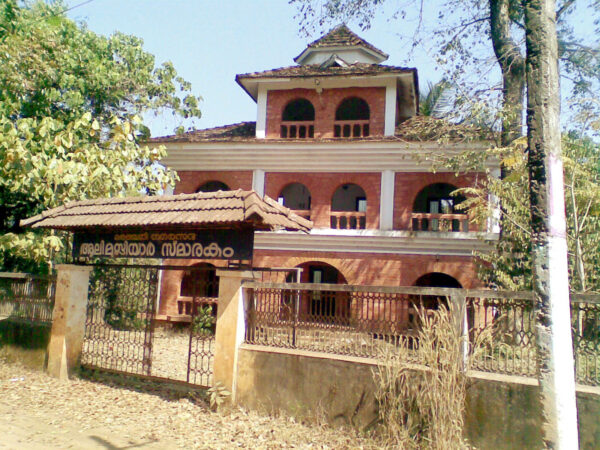
The symposium initiates a conversation on the forms and practices of sovereignty in South Asia in the context of a peasant Muslim insurgency against British colonialism in 20th-century Malabar in South India.
How can political actors use and misuse the ‘facts’ of history to rally constituencies to their side (and against one another), facilitate transfers of power, and legislate policies that unevenly impact different communities under the guise of corrective work?
By furnishing us with analyses of protests, citizen-generated media, and everyday conversations through which relations of sovereignty are rerouted, the books extend our understanding of the cultural dimensions of sovereignty.

Paul’s “Flesh/Spirit” dichotomy is not an overly-spiritualized, anti-body othering (i.e., a devaluation of the body against supposedly holy disembodiment) but an ethical cleavage with profoundly political repercussions.
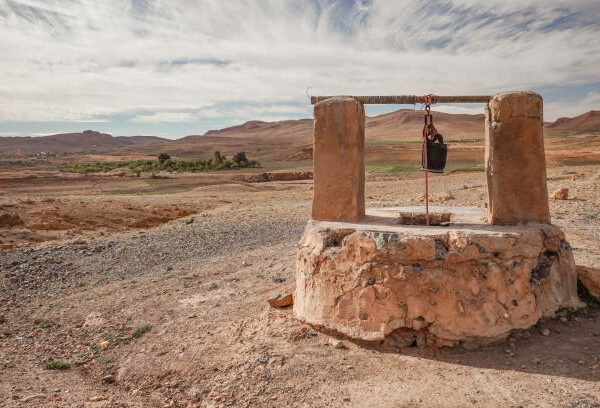
In the voices of the oppressed, one can listen to the voice of the divine. In this decolonial reading, one can excavate a liberative hermeneutic, which is life affirming and life nurturing. The lament of Hagar and her son Ishmael are echoed today in the voices of several people who are excluded in the society by the dominant, and the call for us today is to listen to the divine and work for a just world.
“[These books] exhibit the fruits of decades of scholarship urging us to engage a wide variety of Catholic subjects and to allow for the strangeness of religious experience, and yet at the same time contribute so clearly to older strands of work on intellectual and political history.”

The laws at Sinai are no ball-and-chain, implementing a new form of slavery. They express the practical dimensions of life in freedom, the boundaries within which the nation can experience a life-giving form of service to the One who graciously rescued them from servitude. In short, they are revolutionary.

I want to pretend that the “land flowing with milk and honey” was in fact an unoccupied land—a specially preserved paradise, just waiting for the Israelite people to discover it. But, unfortunately, we all know the rest of the story.

Sin exists in the denial of love and compassion. Where there is justice, there God’s work is seen. It is the absence of love and denial of fellowship with one another that defines sin. Being Christ’s disciple is building a just society by loving one another and creating a safe space for everyone to live in. The Church should be a welcoming place where everyone feels liberated and not judged based on differences or otherness
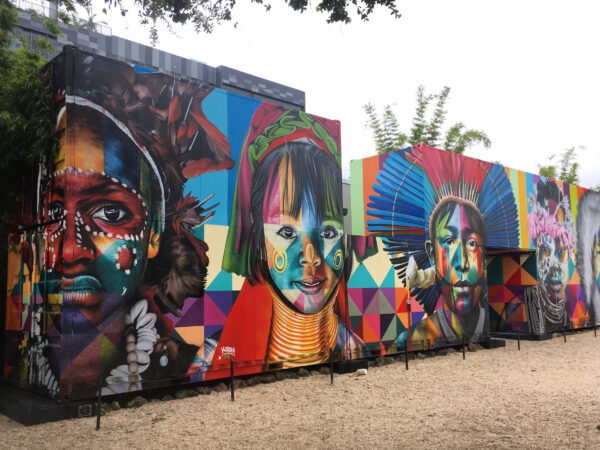
It is not always possible (or advisable) to separate the “political” from the “religious” or “cultural” in Indigenous contexts. Indeed, all of these are concepts developed by outsiders to describe Indigenous life. Instead, Indigeneity invites scholars of political theology and related fields to consider the relationships between these threads of cultural life.

Spillers, Cheng, and Halberstam provide us with tools to approach the histories of violence, economics, relationships, desires, and contestation that infuse our experiences with flesh in its multiplicity. Flesh is never neutral.

Political theology intimately understands that given reality teems with forms of life that remain opaque to us.