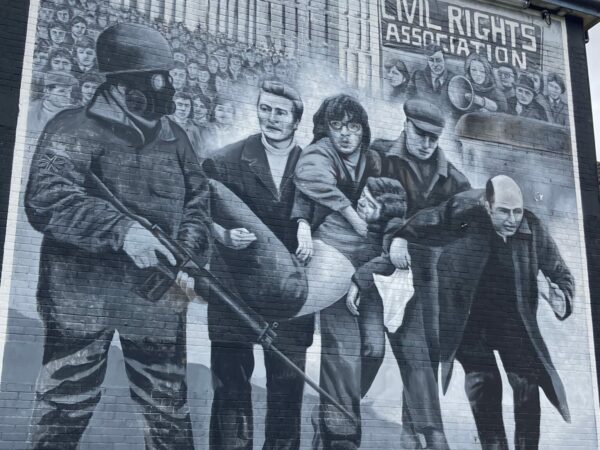
“Grief is love that has nowhere to go.”

The promise of a new world, all memories of suffering erased, seems like a gift. But for
whom?

Why is it interesting to put the word “political” next to the word “theology”? And what do early and medieval Christian authors like Meister Eckhart, John Cassian, and Thomas of Cantimpré have to do with either?
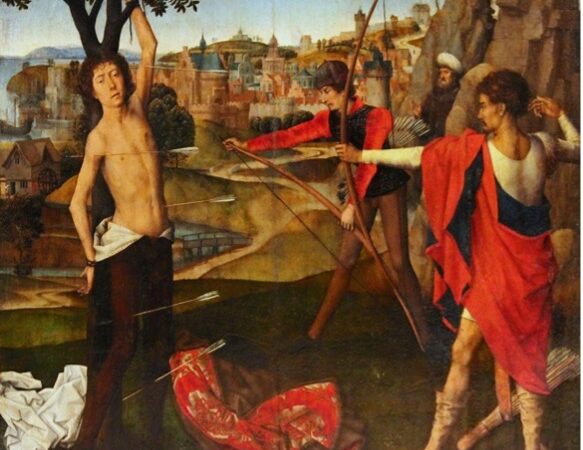
How would Roman Catholic political theology and ethics change if it took seriously the experiences and thought of queer Catholics?

What makes this moment prophetic is that Elisha forces Naaman to experience what it is to be restricted of free access to every place. Through that restriction, Naaman learns what it means to be vulnerable and realizes how powerless people are pushed into much suffering because of restrictive laws. In the experience of powerlessness, the healing of Naaman begins.
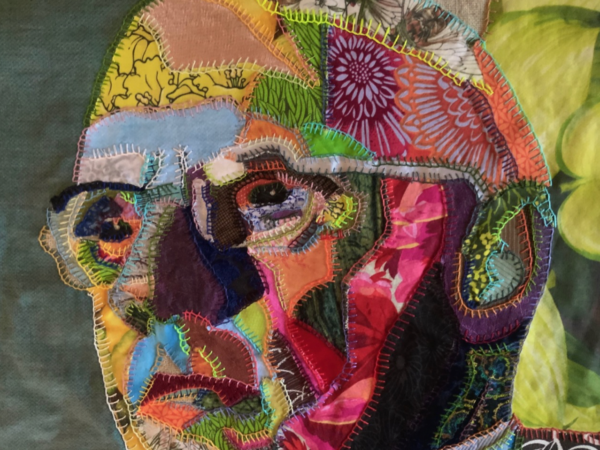
For political theology, we might find ourselves compelled by practices that seek to connect us with our ecologies, our communities, and our relations with ourselves – in ways that are more about humility and provisionality than finding cures or solutions.

The conversation about nature’s personhood and rights is always political, often legal, and sometimes theological. Most importantly, it is a localized conversation about the boundaries of a given community – who is part of the community and who isn’t.

That structural violence is always also relational, proximate, and personal is, perhaps, one of the core insights that the concept of mourning brings to the fore for political theology.

This guide is an initiative of the Society of Christian Ethics Interest Group on “Christianity and Prison Abolition.” It offers a few ideas and best practices for teaching about prisons in a way that resists deeply embedded carceral language and logics that we might not even know we inhabit.
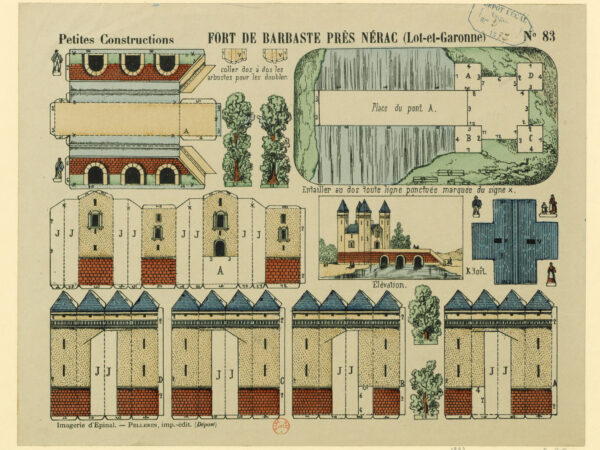
Doxa is a term used in sociology to contend with belief and orthodoxy without reducing either to behavior or cognition. It explores disposition and embodied belief—the gut sense of the world which is acquired through practice rather than discourse.
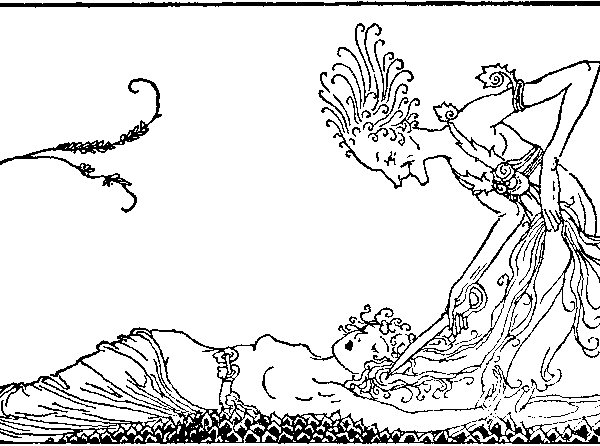
The trickster, an ancient and nearly universal character, offers a new and better-fitting political theology for the twenty-first century than the Abrahamic god.

Political theology amidst and against human caging must carry out continued rigorous analysis of the practices that support this system. It must continue to critique the social power wielded against liberation by American Christians historically, and contemporarily as well by non-Christian religionists and seculars who have accepted the terms implicit in the contract with whiteness.