
How does literature shape the world, and the bodies, social forms, and political acts that constitute it? What particular roles might the category of religion, and specifically religious experiences, play in such shaping?
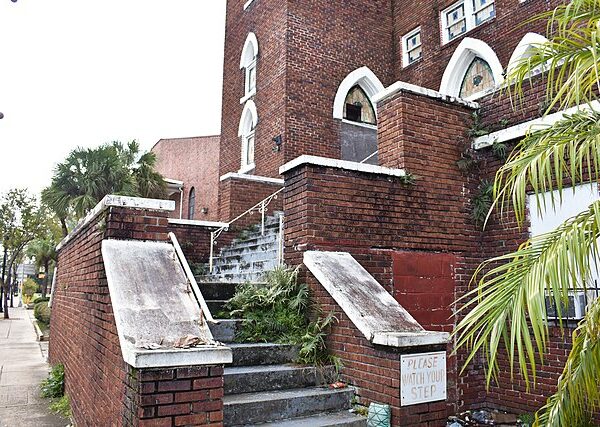
For the left to prevail in the war between old and new gods, we need not only prophetic discourse, but forms of mass organization capable of cohering a social bloc. In this work, religion, understood not as prophecy but as missionary work, remains a crucial resource.
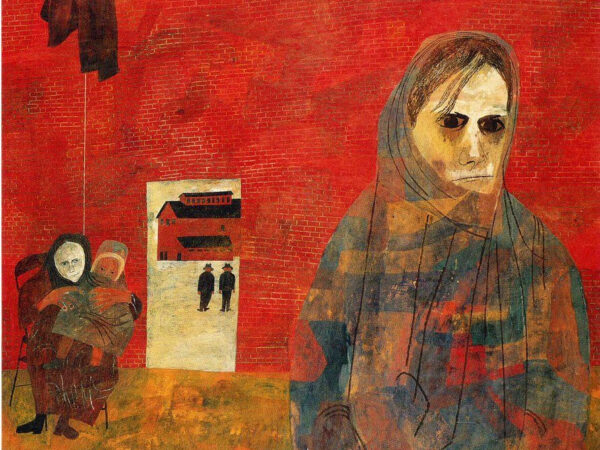
Villanova University’s Center for Political Theology is thrilled to launch this new blog, Literature and Political Theology, with a post from Benjamin Balthaser, one of its editors. We will be sharing posts from the other editors, Kris Trujillo, Mimi Winick, Brook Wilensky-Lanford, and James Ford III over the coming months, between symposia on literary works. Among the literary works that will be discussed are texts by Virginia Woolf, Octavia Butler, Philip K. Dick, Susan Taubes, and Zora Neale Hurston, and Helene Wecker.

Shulman listens for and to race. Toward these ends, Shulman writes about political theology with the zeal of a convert, which I mean as a compliment.

Why are anthropologists and theologians drawn to each other? What are they seeking?
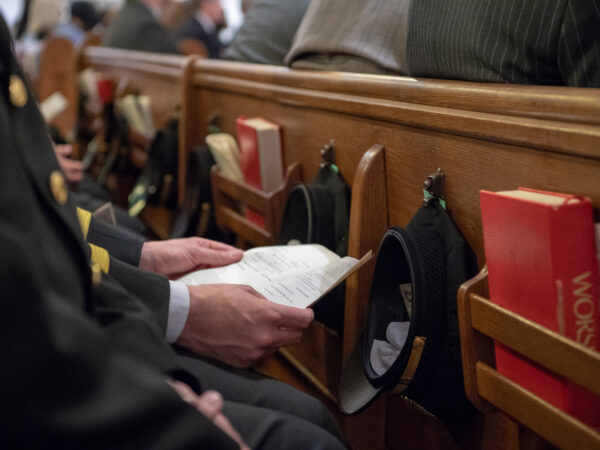
This essay invites readers to consider what white Catholics reveal about the history and meaning of the term “law and order,” and what that turn of phrase reveals about twentieth century Catholicism in the United States.

We look for revelations on the mountain tops—among the most powerful and famous. God’s politics of reversal, on display throughout Luke, call us to re-center this search in the valleys and level places, in the face of the child and the plea of a father.

PTN invites Ph.D. students who identify as women or gender nonbinary to apply to the PTN Dissertation Workshop with a special emphasis on “(How to do) political theology without men?” The deadline to apply is now February 1!

Both in Jesus’ baptism and in the later giving of the Spirit through the laying on of hands in the early Church, we see significance accorded to touch. This importance given to touch—to the tangible—summons us into the realm of human and bodily connection and engagement with others.

In that trust in the divine, one can unashamedly open up their positions and postures because God receives people as they are and as they wish to come. God doesn’t blame and shame any names; rather God calms those who come unto him with the heavy labor of shame.
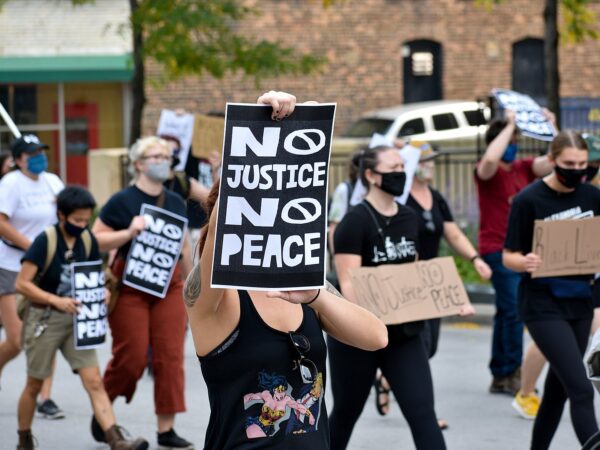
Wink presents the original contextual meaning of Jesus as also a timeless meaning. He tries to draw from the bible a clear and simple message—one that contains everything necessary for contemporary Christians to take a stand for nonviolence.

This article explains how insights from recent research in cognitive science can be used to rethink the related phenomena of traditional Islamic ethics and modern Islamist socio-political movements.