The ironclad certainty with which accounts of King’s life, thought, and action are given itself evinces a misunderstanding of the questions that animated that life, thought, and action.
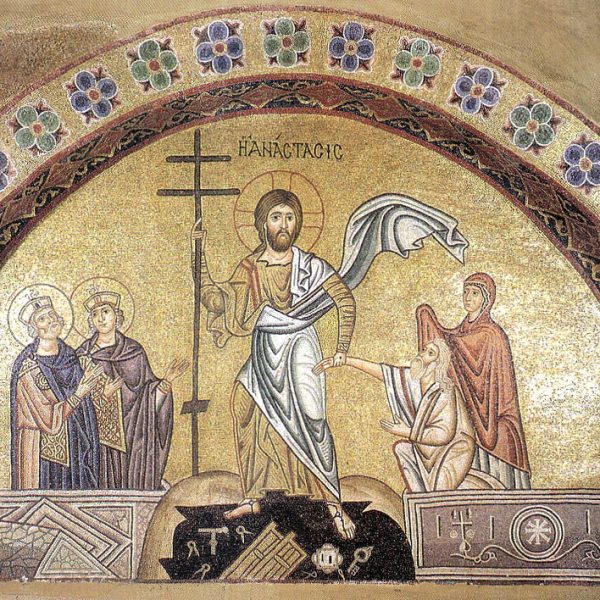
At Easter we should remember that anger and fear cannot win, but that joy can.
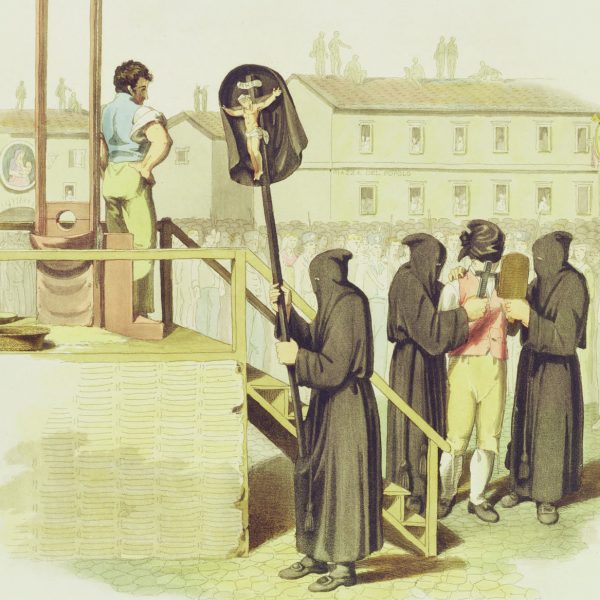
This guest editorial introduces the recently published special issue of Political Theology focused on Jacques Derrida’s Death Penalty Seminars.

The necessary elimination of fluids from the body shouldn’t be the pretext for the unnecessary elimination of immigrants from the body politic.

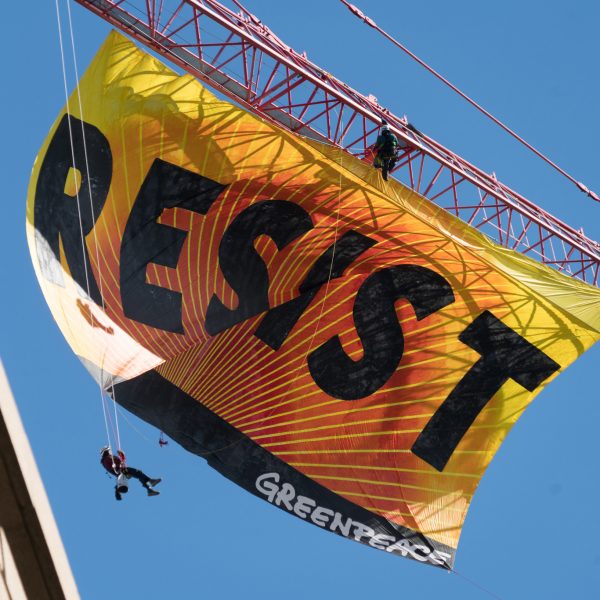
Does political theology offer strategies for resisting injustice? Or should political theology itself be resisted?
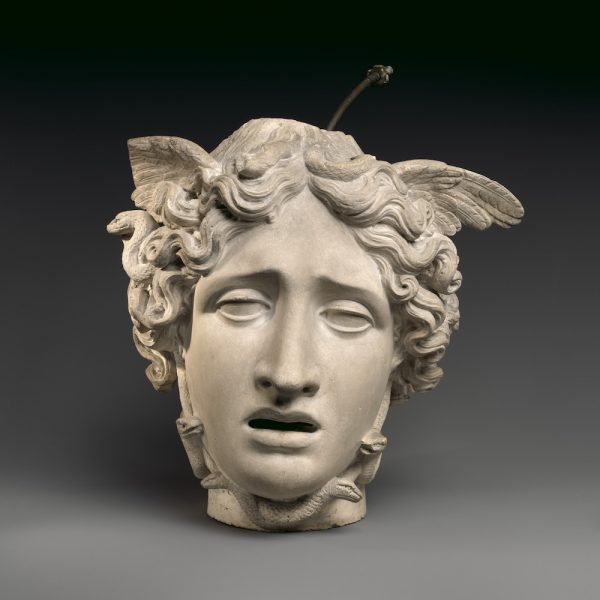
Hyperpartisanship is not, as naive commentators said in the early 1980s about cocaine, a “harmless, recreational drug.” We need to stop snorting our lines of political cocaine, sober up, stop demonizing the “other”, and start listening to each other.

Political Theology, Volume 19, Issue 1, February 2018 is now available online on Taylor & Francis Online.

Morality can never have as its aim anything besides what is right in its own right regardless of the incentives or consequences.