
Diaspora might be a problem for political progressives for the very reason that it is so alluring. Diaspora promises both freedom and connection: freedom from national borders or the essentialisms of race and language, connection between people who affirm shared memory and heritage.
But heritage is never really free.

Hannah Arendt argued that interreligious difference and Christian theology are steady influences on political movements, action, and thought.
Andrew Suderman argues that the significance of protest lies in challenging the “policing” realities of death that plague our world and exposes the contingencies on which such logic rests whilst reasserting our own political agency by re-claiming the power we have to embody now the future God desires for this world. This is the form of politics to which Jesus calls us.

A central feature of political theology is to expose the problematic ways in which modern political thought attempts to suspend or conceal religious and theological frameworks and, conversely, the ways in which religious and theological belief and practice is itself a mode of political and economic governance


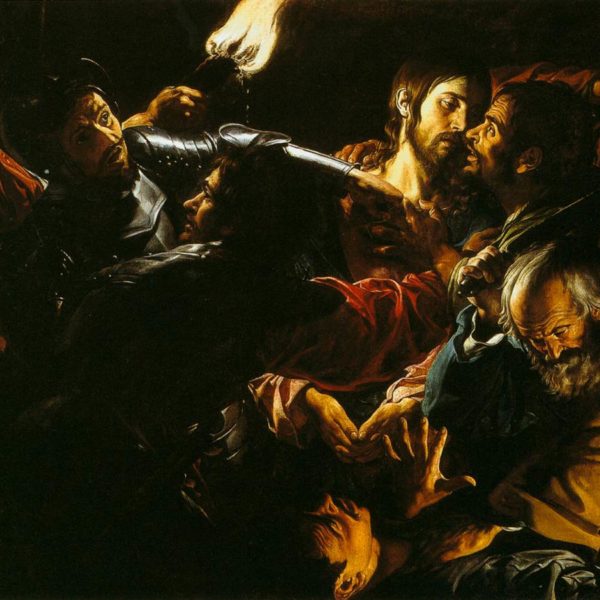
Jesus, against our expectations, comes to bring division in places where unity formerly existed. He calls us to be attentive to the way the winds of our age are blowing.
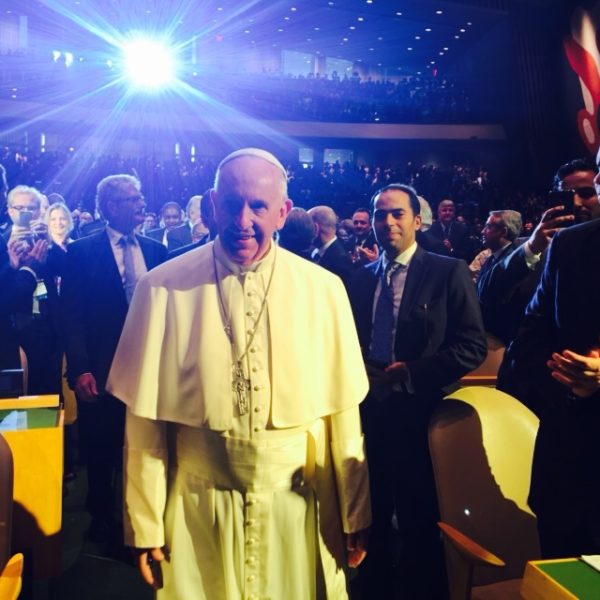


[The the first of three posts this week on Michael Walzer’s “In God’s Shadow: Politics in the Hebrew Bible.”] Michael Walzer occupies a distinctive place in political interpretation. He is a distinguished political scientist who continues to have a significant investment in the Hebrew Bible. His writing thus permits a convergence of the agility of his Jewish perspective on the Bible and his engagement with contemporary questions of power. He has authored an important book on the Exodus narrative and the continuing influence of that narrative upon revolutionary thought and action. His paper, “The Prophets as Social Critics,” moreover, recognized the prophets of ancient Israel as serious social critics and analysts who exposited Israel’s “core values” of justice and righteousness and who were alert to oppressions that impeded social solidarity…

Those of us who weep with Mary also hear the assignment she was given–to turn to her community and remind them of the unconquerable truth of God’s love.