Where are you from? It may seem polite conversation, or an extraneous identifier, but it matters. In politics, it matters a lot. In the ongoing Republican quest for a nomination in the presidential race, certain candidates have made it clear that what matters are the delegates—and winning the states that secure the most delegates. If you’re not from one of those states, at least in this matter, your vote carries less weight. Similarly, as a registered democrat in a strong Republican county, my vote in the presidential race if I vote party line, is unlikely to actually change the dispersion of my state’s votes in the electoral college. And even more locally, when I moved to a small town in Western Pennsylvania, a dear friend who had lived in that town for more than 30 years, worked there, retired there, and raised her family there, advised me, “Don’t worry about being new to town; everyone here is welcoming, but after thirty years, I’m still not ‘from here.’” She was right. Where you’re from matters…

From Colombia to South Africa, from a decolonial stance to trauma theory, these scholars have offered polysemous approaches to the political as well as the theological.
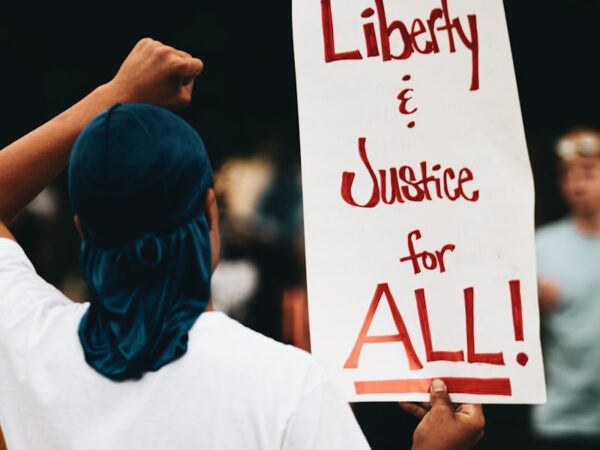
Kings and rulers often justify themselves through their pedigrees. Jeremiah’s political hope, however, does not rest on elite politics. It rests on a policy of righteousness for all.

Ranajit Guha had helped establish the Subaltern Studies school, and thus moulded the birth of postcolonial studies and non-Eurocentric global history. Guha was both a critical chronicler of the longue durée theological foundations of state and capital, as well as a bard of the ancient heritage of revolt against these structures of oppression.

The Center for Political Theology will be hosting a book launch for The Politics of Ritual on March 16, 2023 at 4:30pm in Garey Hall 10A, Villanova University. Please RSVP to [email protected].
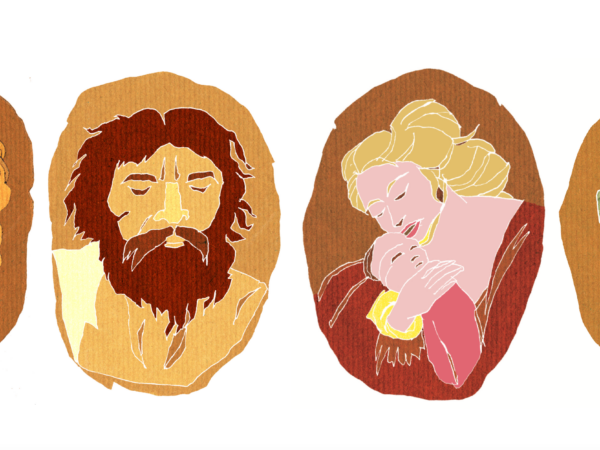
“Across all classes and strata, Bengalis live this double existence – we live like Don Quixote.”

Today marks the one-year anniversary of Charles Mills’ death. To commemorate his life and the 25th anniversary of his influential work, The Racial Contract, we invited scholars to respond to the question: How has The Racial Contract helped you think in new ways about the connections between religion, theology, and politics? Here are their reflections on Mills’ legacy in their own work and beyond.
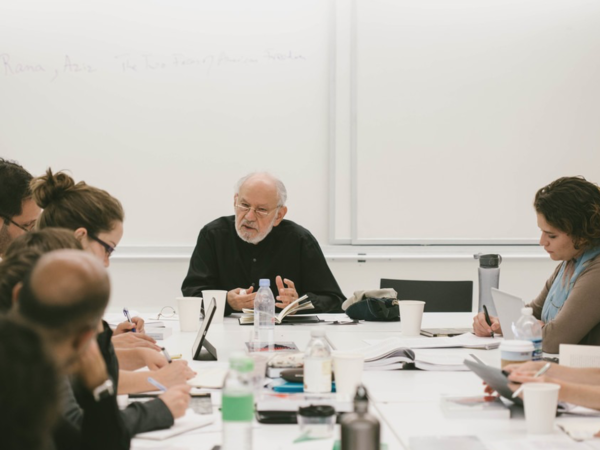
Rather than establishing structural analogies or historical filiations between “religion” and “politics” (terms he opens to question), Talal Asad urges attention to shifts in the grammar of concepts across different situations.
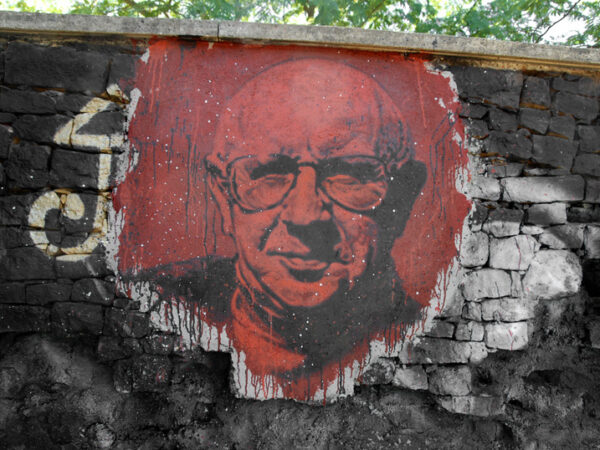
Paul Virilio, one of France’s foremost theorists of speed and technology, is a deep well for doing political theology in an apocalyptic time.