According to the Pew Forum on Religion in American Life, about two-thirds of Mormons consider themselves conservative, and another eight percent upon that Republican. Unfortunately, for both the Mormons themselves and Americans in total, Mormons in America appear to fit the prevailing stereotype about religious people in politics: Today, too often, “religious” means simply a particularly virulent form of the slightly more numerous species of “intolerant social conservative” or “Republican.” This is the fault both of the political mobilization of the Moral Majority and the Christian Coalition, in which religious people eagerly tried to cram God into the cramped box of American partisan politics, and of liberals who have come to see Christianity as primarily a political opponent and thus sneeringly dismiss centuries of profound truths about human nature and society. The term has been drained of the transcendent imagination which animated the Puritans and the civil rights movement alike….
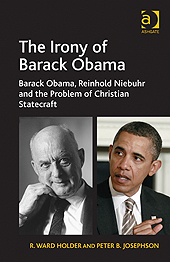
In our last post, we noted that Barack Obama was the willing victim of a particularly delicious moment of irony. The very framework that has given sophistication and moral purpose to his governing – a Niebuhrian Christian realism – could cost him the 2012 election. While Christian realism allows a statesmanlike distance between the goals that can actually be achieved and the pretensions to virtue and excellence that may be desired, very few in the American electorate wish to hear about that. In other words, to win American elections, one must be a cheerleader, or a political evangelist.
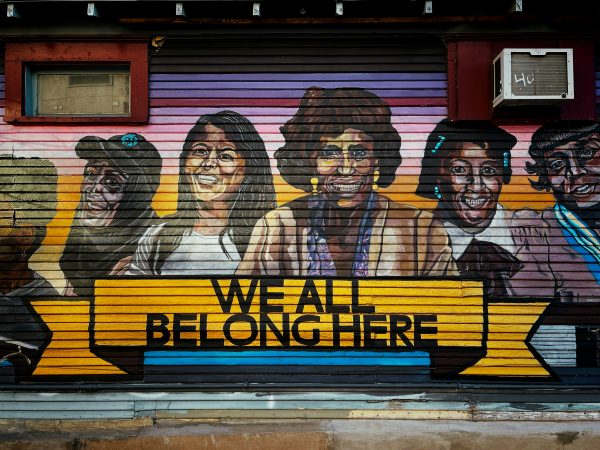
If we want to experience the full effect of Easter, we must recognize that it’s not just about Jesus…it sends ripples through the cosmos as it signals the dismantling of worldly kingdoms built on exploitation and invites us to participate instead in a social order that reflects God’s intentions for the flourishing of all.

Divine Wisdom calls. It is publicly accessible. We may not recognize the voice because we might not be listening for it. But it is there beckoning to us.

Perhaps the tension between honest reading and creative liberatory “misinterpretation” should not be solved at all but rather retained as an unsettling force in our work.
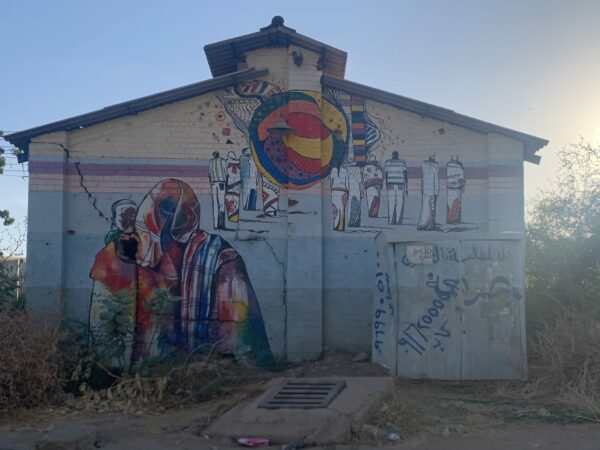
The essays seek a genealogy of and reckoning with the place of religion in modern regimes of sovereignty, its pre-colonial histories and post-colonial legacies, as well as an accounting of the fissures that remain in its emplacement, out of which new life continues to grow.
The essays seek a genealogy of and reckoning with the place of religion in modern regimes of sovereignty, its pre-colonial histories and post-colonial legacies, as well as an accounting of the fissures that remain in its emplacement, out of which new life continues to grow.
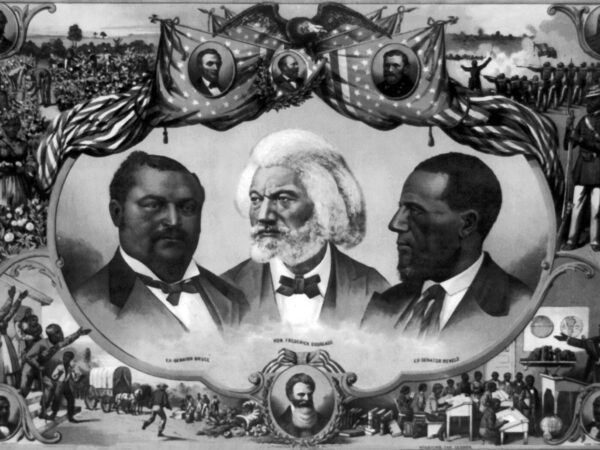
Isaiah’s condemnation of vain worship is not a promotion of faith over works. Rather, it’s a vision of faith as constituted by the work of justice.
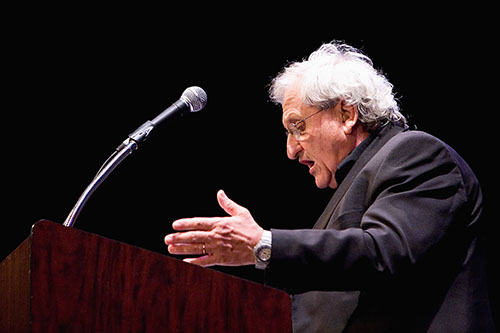
The Israeli writer A. B. Yehoshua died on June 14. We invited scholars of Jewish studies, literature, and politics to reflect on Yehoshua’s significance and legacy.

The PTN Executive Committee looks back on multiple PTN initiatives throughout 2021 and looks forward to many new opportunities in 2022.
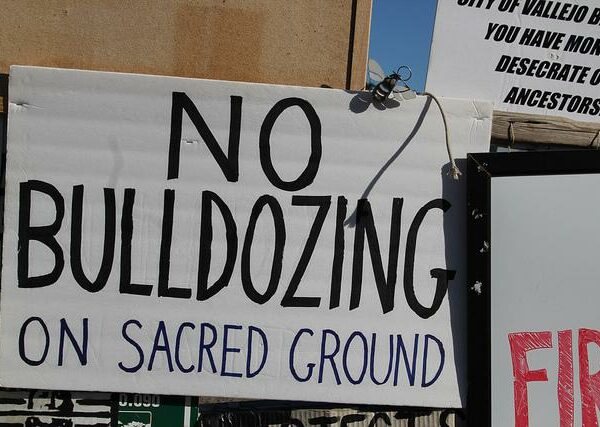
By spiritualizing place, and thereby transmogrifying place-based identities into racialized ones, Christianity cooperated with the machinations of settler-colonial capitalism in its world-making project. Thus, returning to a consideration of land as one location of God’s action is basic work for any political theology that aspires to move in a decolonial direction.
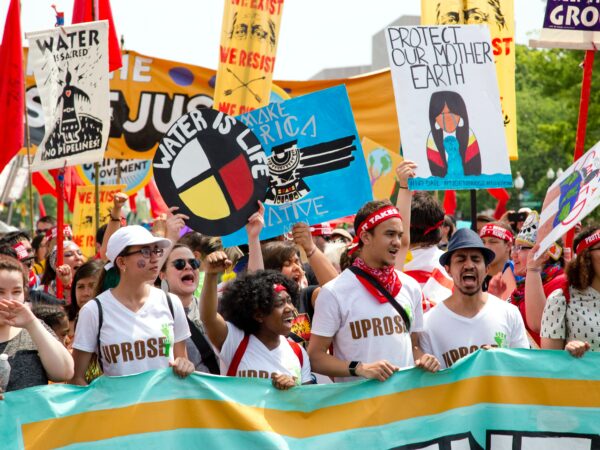
The politics of identity often has Indigenous persons grappling with the dichotomy of US empire’s labels of the Native American Indian as contaminating evil or contaminated victim. For Indigenous Christians Jesus calls on us to spurn these limiting designations, to embrace the spirit of interdependent creation, which brings us back to a family of justice and life.