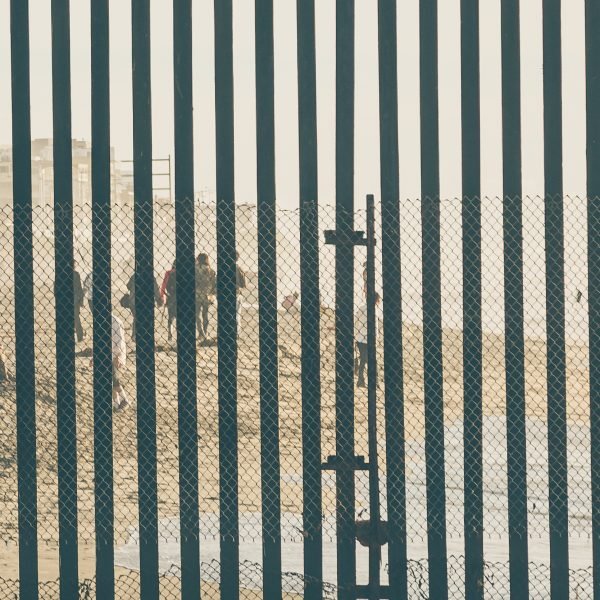
How do we account then for bodily interactions at the southern border ethically and theologically?

My point is that in addition to being annoyingly Eurocentric, the discourse of political theology focuses more on administrators and theorists of the modern State than the victims of State.
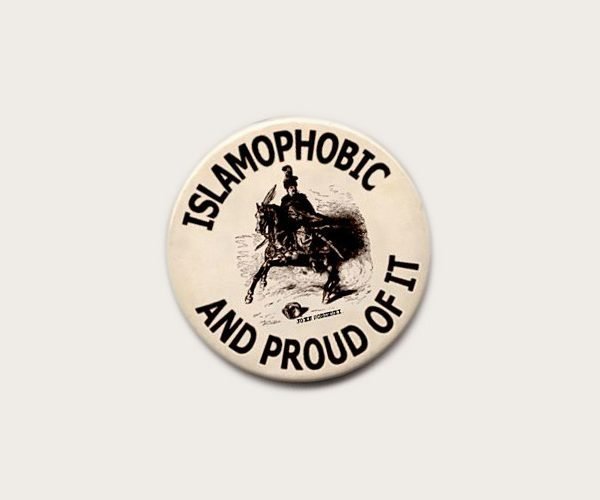
The racial paradox presents a clear and present racial dilemma for scholars, advocates, and policymakers. How can Islamophobia be indicted and redressed?
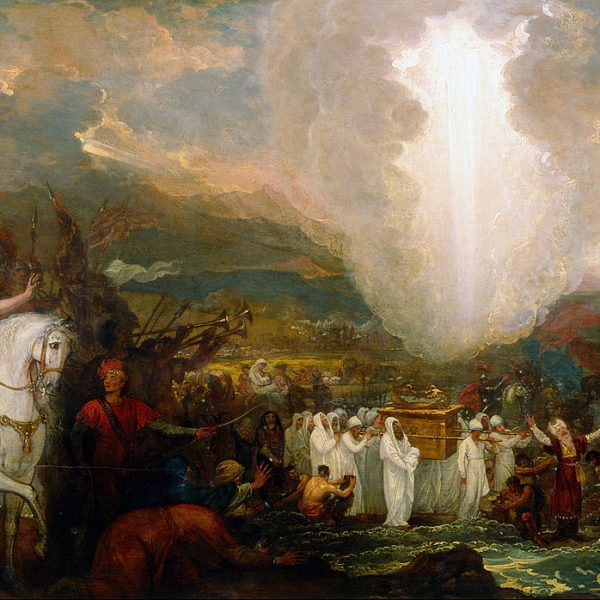
Psalm 36 reminds us that hope is grounded in God’s very nature, that it rests in the hesed of the LORD. Today, despite the fact that the work we undertake remains unfinished, we can rest in God’s hesed.
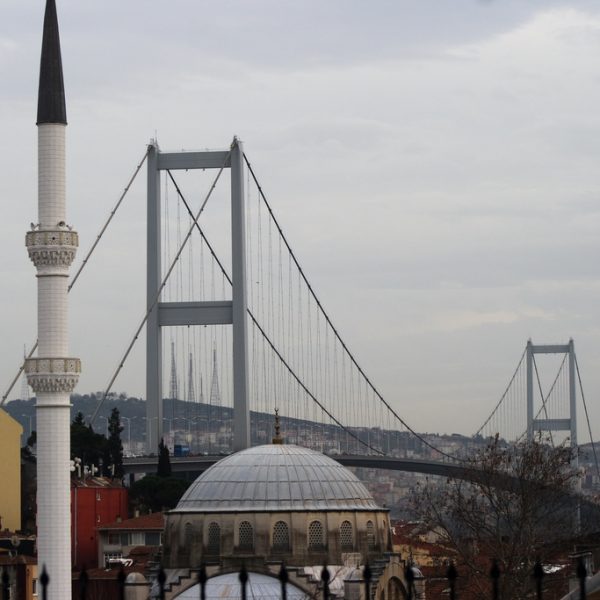
There seems to be, then, a road not yet taken by political theologians in North America and Europe: to participate with Arab thinkers in the work of writing comparative political theologies that decolonize knowledge and seek a more just alternative to the world as it stands.