In Catholic circles, or even in the broader Christian community, there has been virtually no discussion of the ethics of cyber warfare. Does the Christian just-war tradition have anything to say about cyber warfare? Before any such discussion can take place, however, it is crucial to have an understanding of what we even mean by cyber warfare.

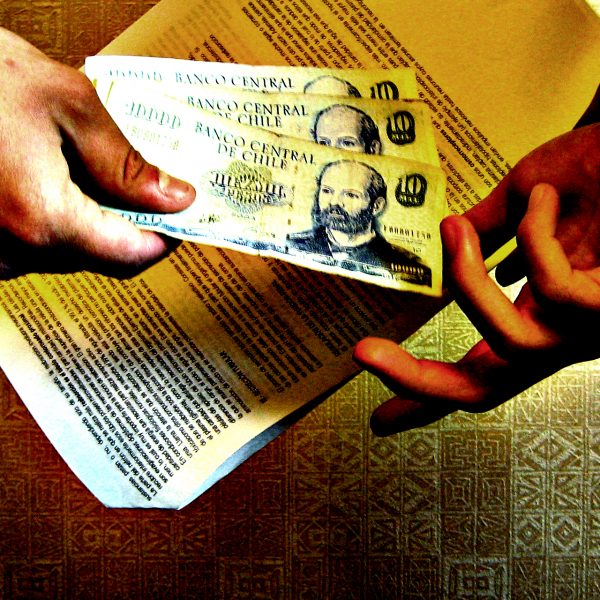
The economic crisis of 2007-08 contributed to an increasing sense of disillusionment with the mainstream economic thinking of the left and particularly of the right, and as a result a number of heterodox ideas and traditions have gained renewed interest. This disillusionment has led to a great deal of ferment in Catholic circles in particular because Catholic social thought offers an intellectually rich tradition of thinking on economic issues that does not fit easily into mainstream categories.

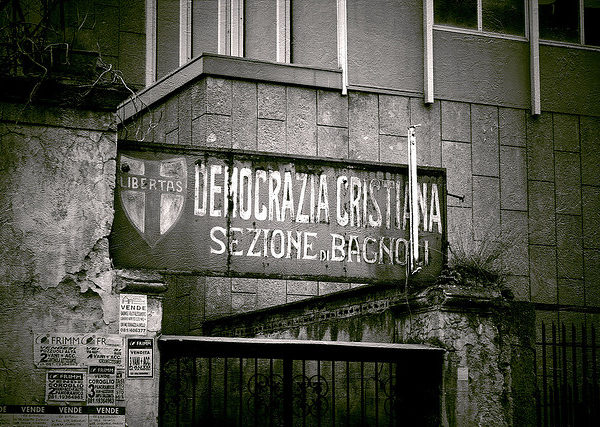
The election of Matteo Renzi represents a low point in the fortunes of political Catholicism in democratic Italy, as engaged Catholics across the political spectrum have less influence over the national government than at probably any point since World War II. This decline in fortunes illustrates the weaknesses of mainstream Catholic political strategies in the post-Cold War era. A cross-country comparison of Italy and the U.S. can help illustrate how the struggles of political Catholicism in the early twenty-first century reflect certain weaknesses in the Catholic Church’s current understanding of its social mission.

Although Meghan Clark and Joseph Tetlow, S.J. have raised some important criticisms of Stacie Beck’s contention that the “social justice agenda” of many Catholics ignores certain basic truths of capitalist economics, they downplay the extent to which the provision of certain basic human rights is dependent on the creation of wealth. The Catholic philosopher Jacques Maritain provides guidance on how to maintain both the grounding of human rights in universal human dignity and the contingency of concrete rights, a balance necessary in the current age of austerity.

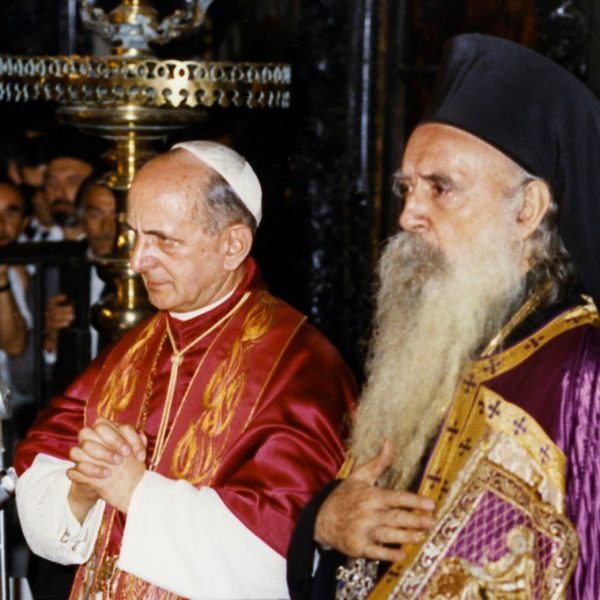
Carl Raschke argues that, given the ongoing debt crisis, political theology must more adequately grapple with economics, and in particular Keynesianism. The tradition of Catholic social teaching, particularly in the period of Popes John XXIII and Paul VI, already provides an example of a political theological response to Keynesianism, and, in both what it gets right and what it gets wrong, can serve as a resource to political theologians today.

The controversy surrounding the Convention on the Rights of Persons with Disabilities, defeated in the U.S. Senate on December 4, demonstrates the tension in Catholic teaching between the need for effective international institutions that promote human rights and the need for international institutions that respect a proper balance between their own authority and the authority of states.

The state is in crisis in an increasingly globalized world. Christians are called to a post-Constantinian engagement with the political order, embodying an incarnational practice that engages with the local context of believers and an eschatological vision focused on the full flourishing of all humanity and all of creation.

The increasing use of drone warfare under the Obama administration represents an attempt to maintain the concept of “unlawful combatant” while avoiding the publicity associated with Bush-era policies. This policy is a failed attempt to hide the modern state’s inability to adequately deal with global terrorism.

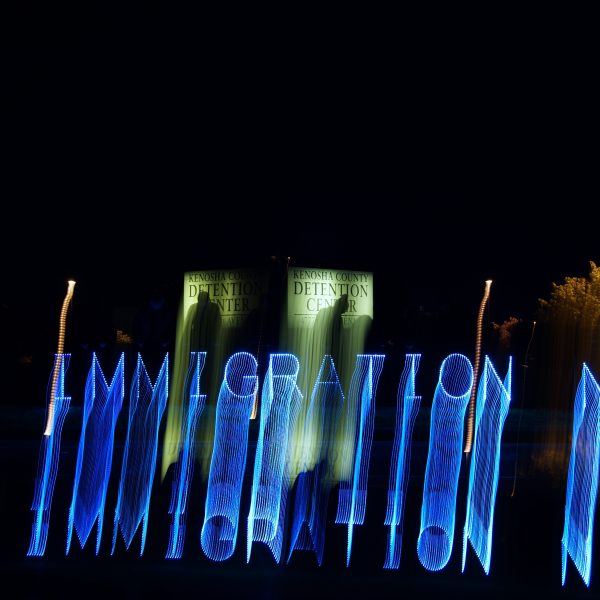
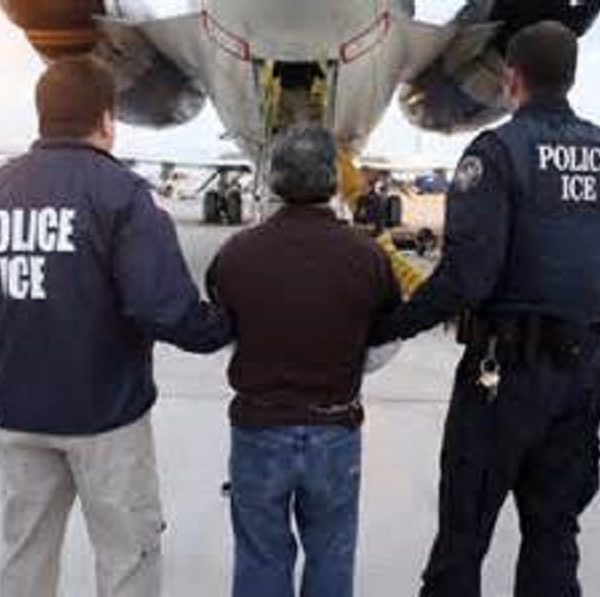
The record number of deportations under the Obama administration and the shift in enforcement strategy from worksite raids to isolated, yet more numerous, detentions is a symptom of a crisis faced by the modern state in an increasingly globalized economy. The state seeks to hide the coercion used to sustain the social imaginary now threatened by a changing world.

“The individual today is often suffocated between two poles represented by the State and the marketplace” (Pope John Paul II, Centesimus Annus #49). The 2012 U.S. presidential campaign has, to a degree unseen for several years, brought to the fore the fundamental issues of political life: the relationship of the individual to society, the role of the state and of the economy in society, etc. The selection of Paul Ryan as Republican Mitt Romney’s running mate, an intellectually capable and ideologically driven conservative, ensures that will continue to be the case….