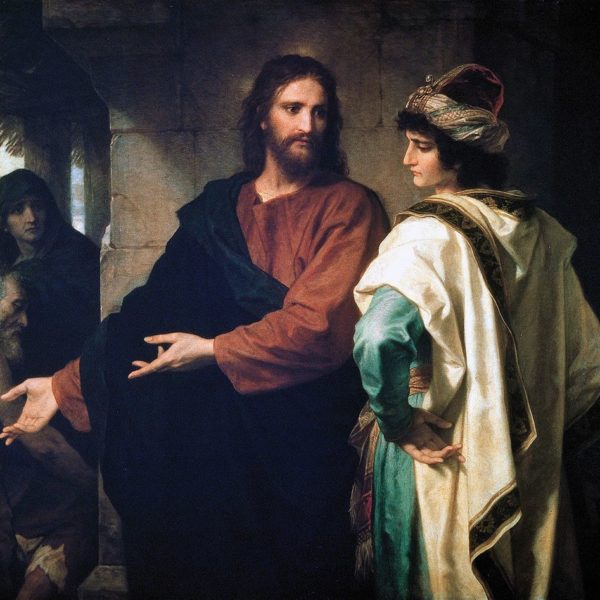
In his challenge to the rich young ruler, Jesus also challenges conservative family values politics, offering us an alternative vision of relations in the kingdom of God.
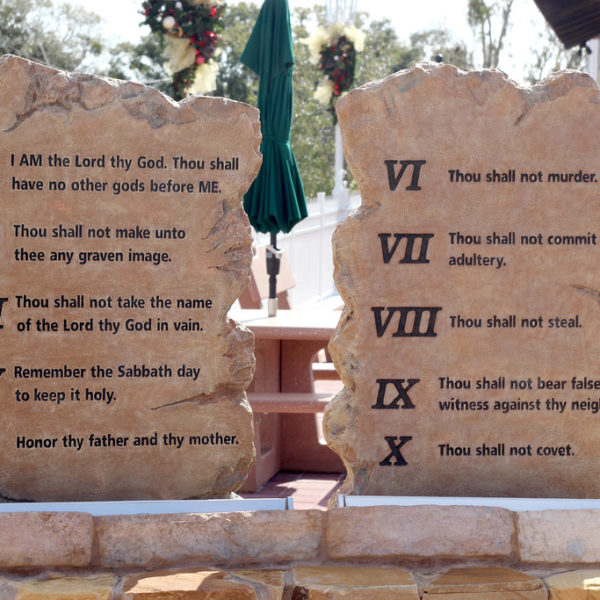
Jesus’ teaching in the Sermon on the Mount unsettles many biblicist ways of understanding Scripture. It may even be better to move from speaking of ‘the Scriptures’ as a noun, to speaking of ‘Scripturing’ as a verb.
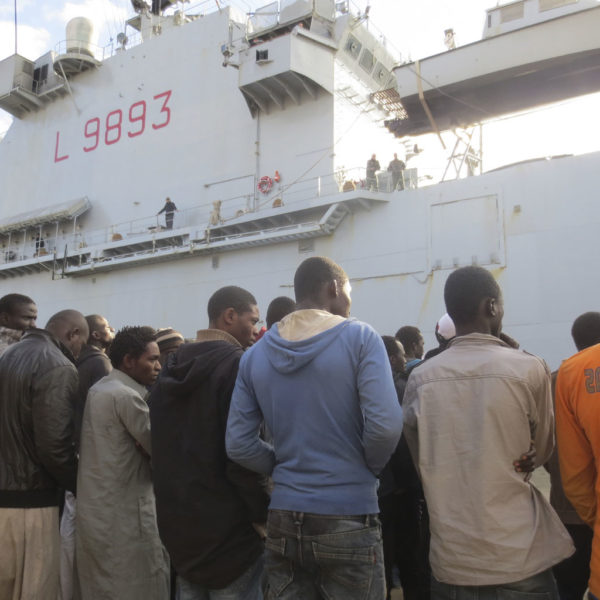
The politics of new creation involves the bringing together of words and actions in the form of consistent living, by means of the work of the Spirit of Christ. Hypocrisy and intolerance among Christians are a departure from this model, flowing from an unwarranted confidence.
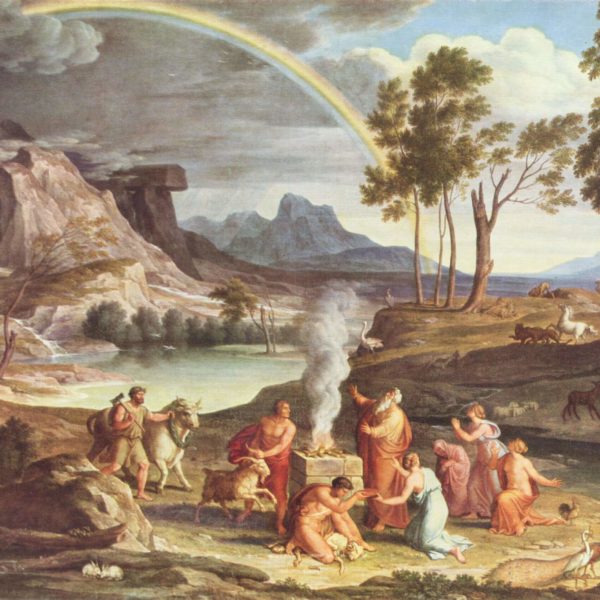
God’s covenant with humanity and creation after the Flood is a universal one, a theme that is often revisited in later Scriptures. This is an important word in a world with wars fuelled by religious differences.
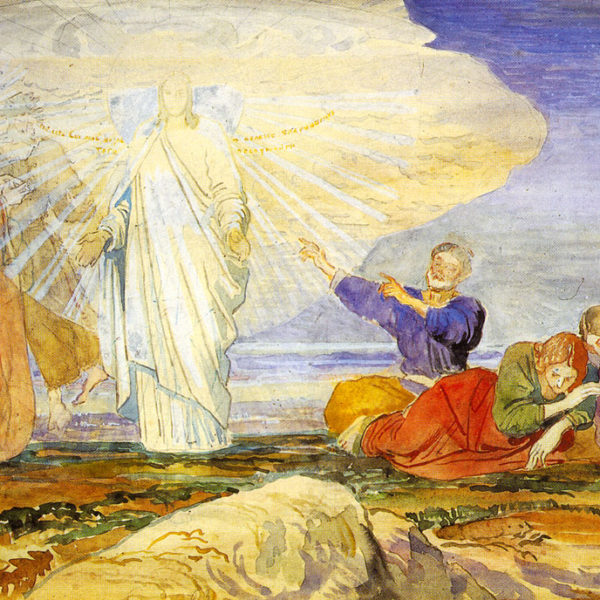
In the narrative of Mark’s gospel, Jesus’ journey to his cross in Jerusalem is interrupted by the incredible event of his Transfiguration. Peter’s rush to speech is characteristic of our frequent over-reliance upon words to process and respond to things that demand our silence and our wonder.
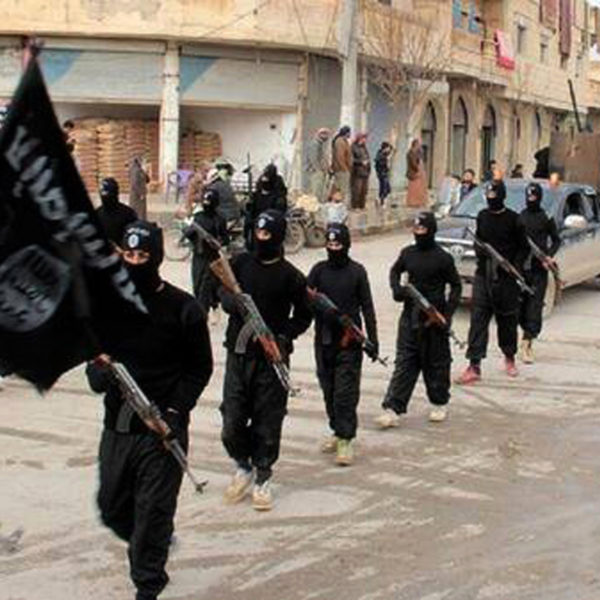
“When all the women were dead, the jihadists burned their bodies inside the houses. After they had finished with the women, the jihadists went back to …where they had locked the children. ‘They brought out the little kids – two, one and a half, three years old – they took them out holding on to each other. They took the groups and killed them with knife stabs’.
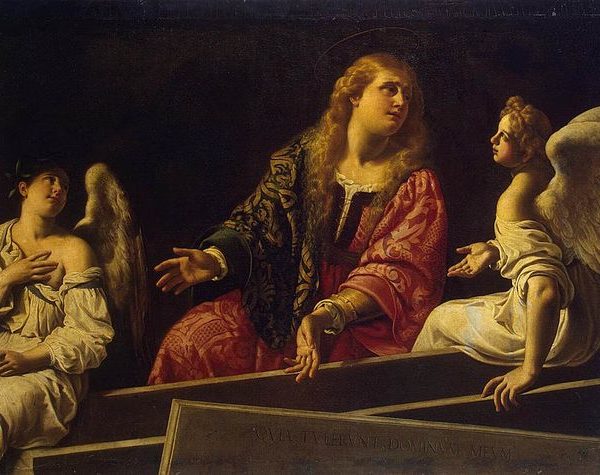
The encounter of Mary Magdalene with the risen Christ provides us with a model for understanding political theology. The elusive presence of the resurrected one and the emptiness of his tomb forbid all our attempts to secure his presence in our praxis and open up new ways of perceiving our social task.
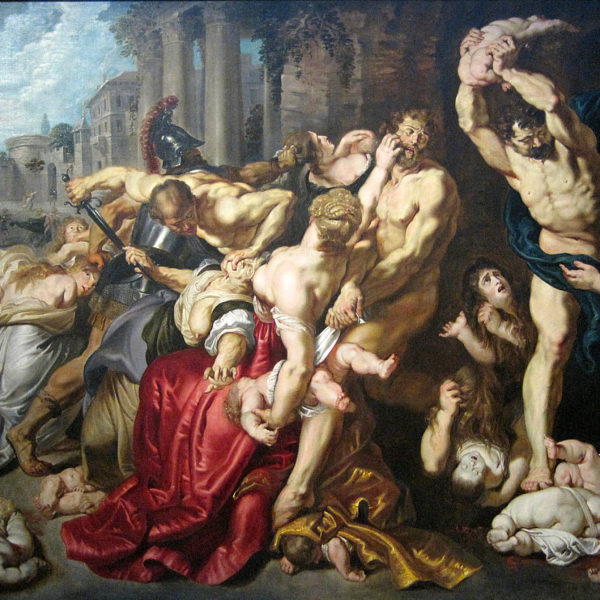
The account of the slaughter of the innocents rests like a deeply unsettling shadow upon the Christmas story, with its themes of God’s peace and presence. Yet, in reflecting upon this account, we may discover a profound new conception of the mode of God’s presence within our world and its tragedies.