Benjamin Davis responds to Zahi Zalloua’s review of his new book, Another Humanity: Decolonial Ethics from Du Bois to Arendt (2025).
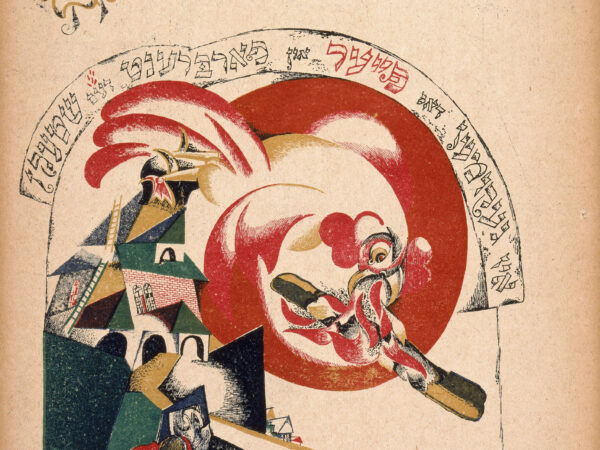
We don’t need scholars to tell us that Jewish radicalism is something of the past, dead, buried, and long forgotten. The world already tells us that every day. We need articulations of Jewish radicalism for today that activate its legacy.
Inspiration comes from previously off-limits traditions, just as emotions once dismissed as despairing gain untold potentials: this is the turn from leftist melancholy to melancholy politics.

From Colombia to South Africa, from a decolonial stance to trauma theory, these scholars have offered polysemous approaches to the political as well as the theological.
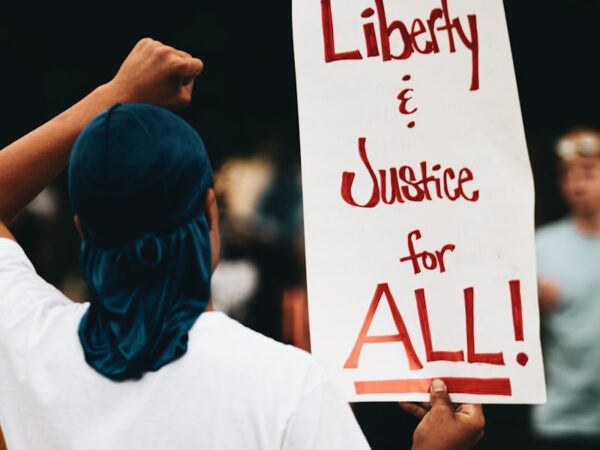
Kings and rulers often justify themselves through their pedigrees. Jeremiah’s political hope, however, does not rest on elite politics. It rests on a policy of righteousness for all.

Ranajit Guha had helped establish the Subaltern Studies school, and thus moulded the birth of postcolonial studies and non-Eurocentric global history. Guha was both a critical chronicler of the longue durée theological foundations of state and capital, as well as a bard of the ancient heritage of revolt against these structures of oppression.

The Center for Political Theology will be hosting a book launch for The Politics of Ritual on March 16, 2023 at 4:30pm in Garey Hall 10A, Villanova University. Please RSVP to [email protected].
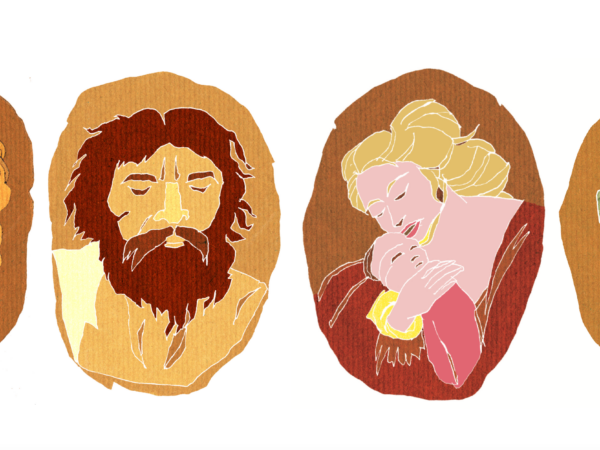
“Across all classes and strata, Bengalis live this double existence – we live like Don Quixote.”

Today marks the one-year anniversary of Charles Mills’ death. To commemorate his life and the 25th anniversary of his influential work, The Racial Contract, we invited scholars to respond to the question: How has The Racial Contract helped you think in new ways about the connections between religion, theology, and politics? Here are their reflections on Mills’ legacy in their own work and beyond.
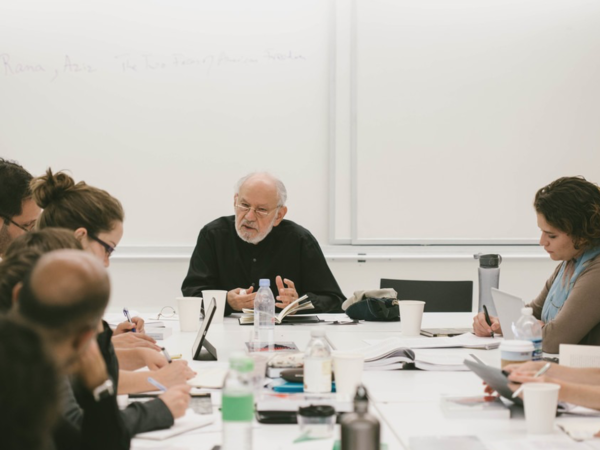
Rather than establishing structural analogies or historical filiations between “religion” and “politics” (terms he opens to question), Talal Asad urges attention to shifts in the grammar of concepts across different situations.
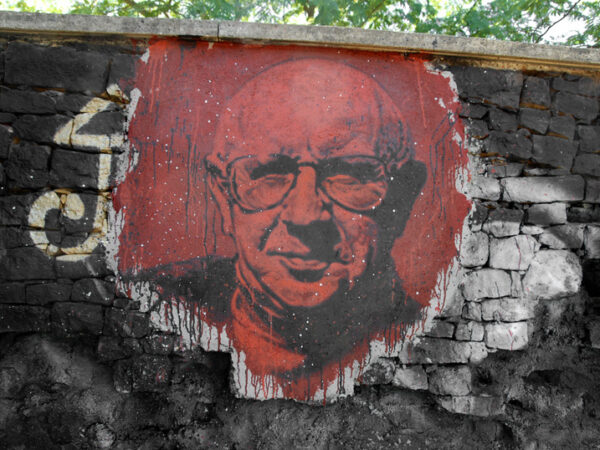
Paul Virilio, one of France’s foremost theorists of speed and technology, is a deep well for doing political theology in an apocalyptic time.