
This conversation between Adam Y. Stern and Adriana Alfaro Altamirano joins current debates about authoritarianism and biopolitics, “charismatic authority” and “survival,” through the theological-political lens of ‘imitatio Christi.’
Scholars and activists cannot rely on fact-checking or dry reason in this political climate. We have to feel our way toward change.
Althaus-Reid’s work asks whether Political Theology is capable of accounting for the power of sex, a power that comes to the fore if the theologian focuses on queer bodies.
“What can we do when apparently nothing can be done, and doing nothing is not an option?” Theologian Kyle Lambelet and performance theorist Diana Taylor discuss the challenge and possibilities of presence within systems that seem to allow no alternative.
The journal Political Theology publishes Volume 21, Issue 7
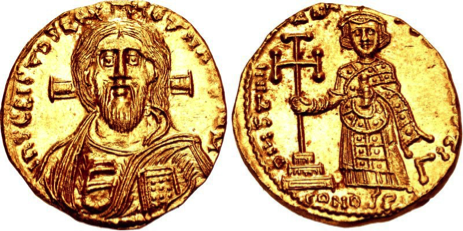
Rendering to God what was God’s meant offering our lives as living sacrifices of worship to God, as one would offer coins as tax and tribute to one’s sovereign. The human was theologically monetized—or coined—in the name of dedication to God.

Blaming Covid 19 on the World Health Organization or on a lab in China and calling Black Lives Matter “radical leftist extremists” follow the American-populist playbook of responding to duress by targeting an alien “other” who have wronged “us” and whom “we’re” right to combat with force.

Differentiating journalists as enemies is always alarming, but especially so during a public health crisis.
It is ironic but evident that self-preservation and its varied expressions like self-interest and self-defense are routinely used to justify neglect, violence, and brutality towards others.
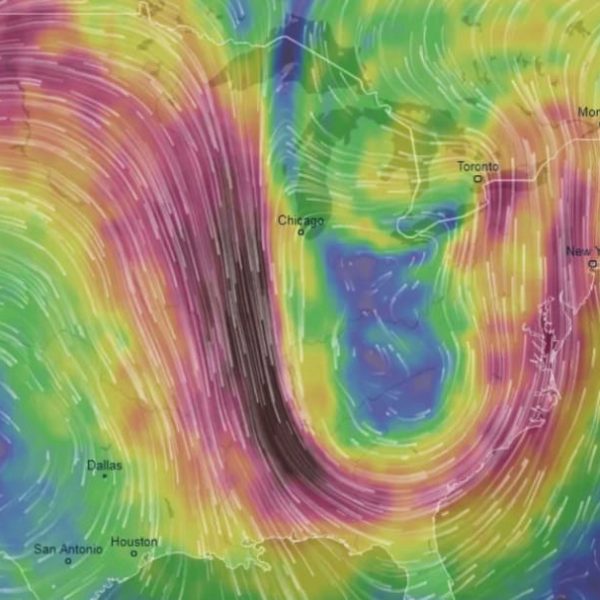
The power of Jair Bolsonaro and Donald Trump’s political extremism lies precisely their ability to erase extremism from their respective political actions.

The prophets serve as God’s messengers, both as conduit of information between people, as well as serving as forerunners, preparing the way for God’s will to occur in the world.