
A preliminary question for political theology is how to understand the meaning and significance of matter. The response to this question shapes how a political theology does or doesn’t engage political economy and theological tradition.

The God of Israel does not get so caught up in the national agenda that God neglects the prayers of individuals in pain. The best antidote to politics-as-usual is proper worship. Praising YHWH can keep our feet flat on the floor. As we worship the God who sees and the God who acts on behalf of the downtrodden, we seek to become like God. YHWH, rather than the human powers that be, becomes our model. In worship we become attentive to the things that God attends to, such as the grieving woman whose empty cradle signals an uncertain future.

Abolition is not just about closing prisons. It’s not just about stopping police or closing police departments, but it’s also about abolishing the police in our heads. It’s also about abolishing the prisons in our imaginations that prevent us from thinking about new ways and better ways to treat each other and to keep each other safe.
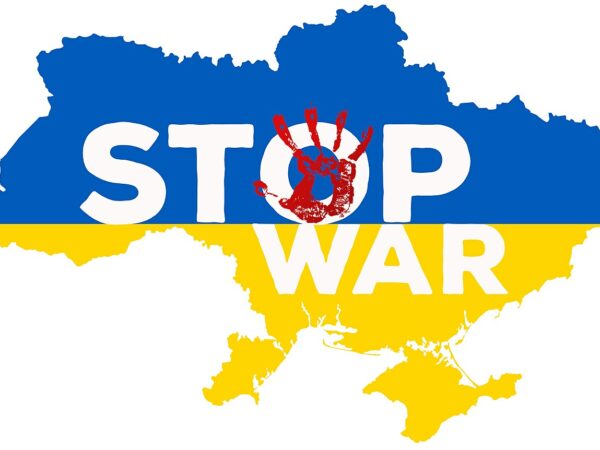
It should be uncontroversial that the Ukrainians have a right to defend their people and their land. However, some have argued that Pope Francis is spearheading a rejection of the just war tradition, replacing it with a thoroughgoing pacifism that would in principle deny this right to the Ukrainian defenders. As an analysis of the Pope’s position, I think this is mistaken.
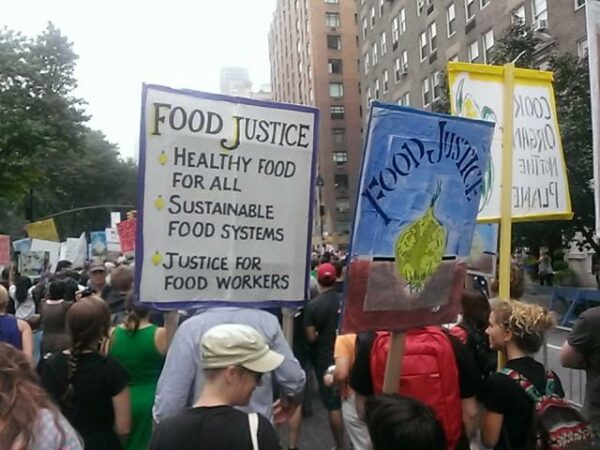
Food sovereignty represents a refusal of a globally commodified food system in favor of systems and institutions that support self-sufficient communities.
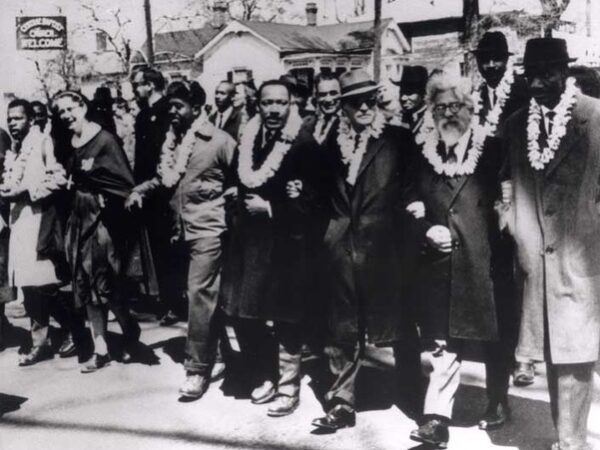
We are all indebted to Shulman’s important delineation of prophecy’s role in American thought, especially in relation to race and redemption.
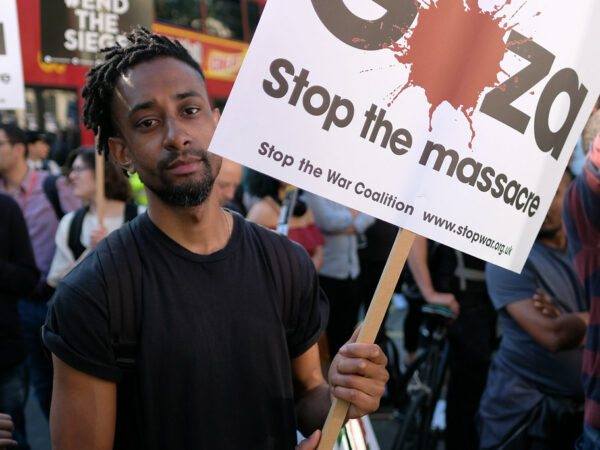
Gilroy’s “planetary humanism” contributes to political theology by offering more than a critique: in his work, humanism is a starting point, a concept to guide multicultural political projects today.
The journal Political Theology announces its new leadership structure, welcoming three new editors and a new assistant editor.
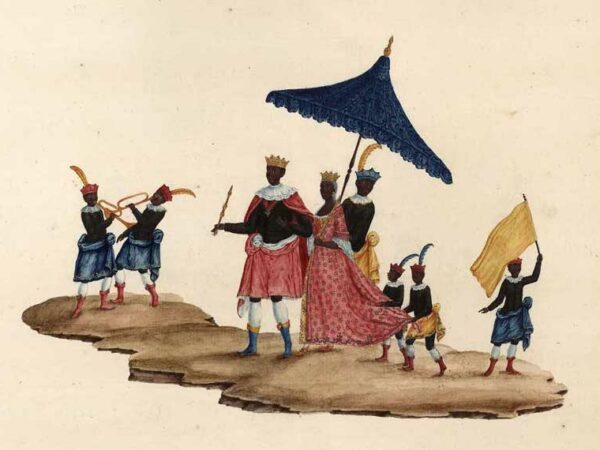
Where state sovereignty as theology would have subjected groups accept their condition with its attending violence and suffering, the micro sovereignty I propose here – not merely as a futuristic idea, but more as a reflection on how subjected groups have dealt with subjection – invites us not to accept that violence and suffering, but to find creative ways out of it through the cracks of Empire.
We launched this series to make available theoretical resources that keep pace with the concerns raised by those working with political theology today, whose interests are increasingly tied not only to questions of genealogy, speculation, and political modernity, but also to questions of race, colonialism, gender, sexuality, disability, ecology, labor, finance capitalism, and economies of affect.

Berlant is our preeminent contemporary theorist of how intimate practices bleed into and with national formations, and condition specific and powerful fantasies for what a good life or functional society would involve. To read their work is to become attuned to a set of dynamics that can be excavated in any given scene: the attachments being made and unmade, the forms of belonging that flash up and dissolve, the feeling-worlds that mediate everyday life, what remains unfinished.
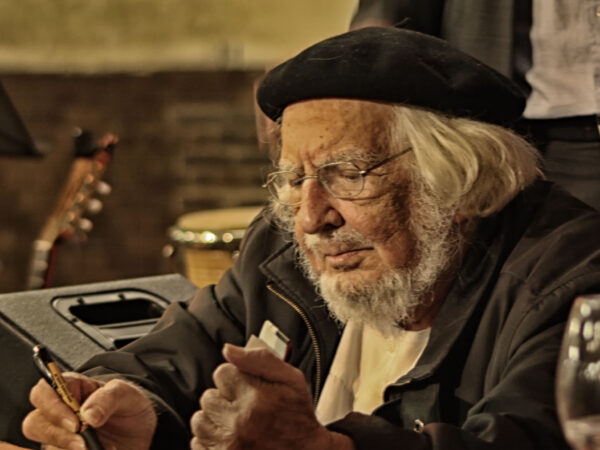
The rise of political theology in the twenty-first century is correlated to the eclipse of liberation theology in the twentieth—but recent works by Michael Hogue, Adam Kotsko and Karen Bray suggest the emergence of a futural theopolitics challenging the sacred/secular binary.