
…and they all crossed freely
…and they were heard without initial judgement
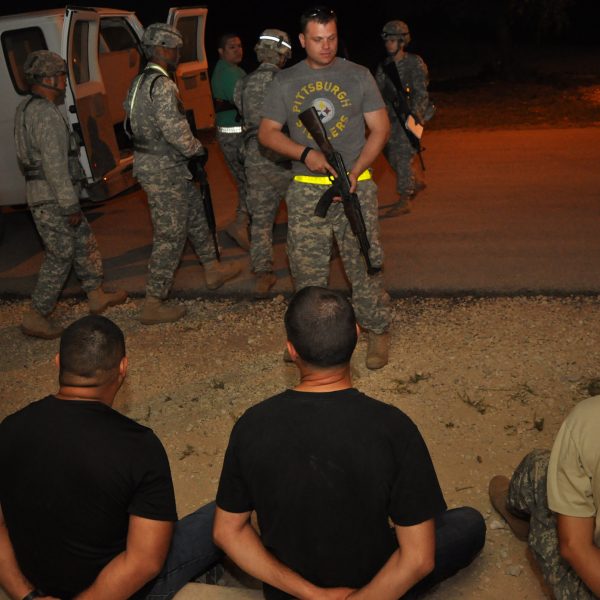
The social construction of the criminal other has long served as a justification for subjugation. Pope Francis has stated that the people of God can smell holiness, and perhaps there is also a greater need for the olfactory discernment of evil in our midst. Despite the risk of too literal an interpretation of this metaphor, deeper reflection is warranted of the ways in which evil must be resisted.

Agonistic practices of lively contestation constitute a practical way to love enemies and thereby to do public theology.

It seems that only a certain kind of public theologian, touting a certain kind of theology, is recognizable to the religiously unaffiliated as being, well, religious.

The vocation of the public theologian is to testify to their faith and in doing so to further the good news of Jesus in all our publics. At the same time, the aim of this public theological discourse ought not be to colonize other publics for Christianity.

To be a public theologian does not mean to do theology for everybody. It is not a matter of speaking from the particular to the universal, but of dwelling within multiple, overlapping particularities and finding theological meaning there.

The Mentoring Initiative aims to bring together students and scholars engaged in different research methods but who are addressing a shared set of questions. Our hope is that the Political Theology Network Mentoring Initiative might even create a space where new research questions and methods will emerge.

If we want to focus on stopping sexual violence we need to ask much more disruptive questions about the conserving influence within Christian political theologies that accompanies their radical critiques.
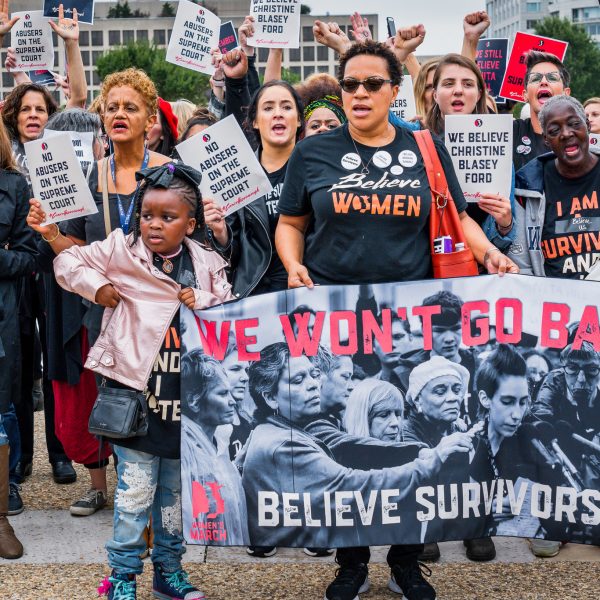
Political theology’s prospects for contributing helpfully to movements of resistance to sexual violence depends on the willingness and ability those who contribute to political theology as a discourse to discern and prioritize the kinds of questions that are deemed most urgent by sexual violence survivors themselves and those who have devoted their work to ethically addressing this harm.

Like Simon and Veronica, those in the pews and those in the academy are called to accompany those who are abused by sharing in their pain so that survivors no longer bear this cross alone.

Political theology, insofar as it can articulate an analysis of and resistance to rape culture, offers many resources for confronting sexual violence.

What would it mean to take apocalyptic talk as a sign of the times: as revealing, uncovering, and disclosing something basic about the cosmos? Could such talk be the beginnings of an eco-apocalyptic political theology?