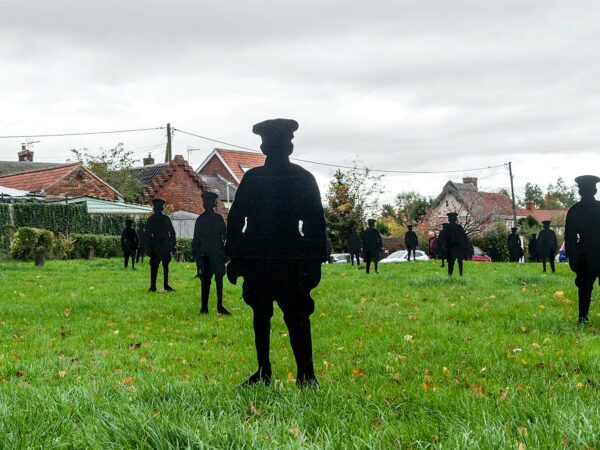
A full-scale war might spectacularly display the deaths and violence that immediately bring people’s attention. However, an excessive profit-driven business may also kill as many people as war does, while in many cases, these deaths are invisible.
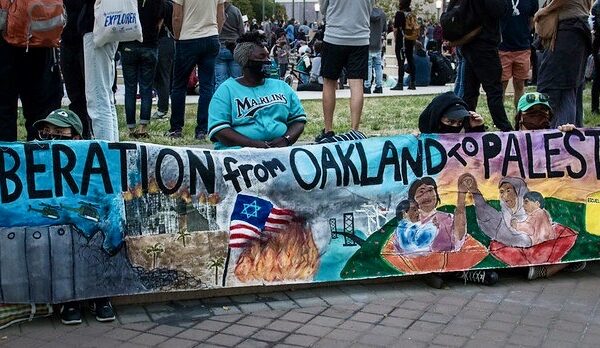
By working to abolish policing and prisons as we know them today, prison and police abolitionists are engaging in the kind of activism that can resist and dismantle these interconnected evils at the same time. In other words, transformative justice and prison abolition are ways to resist the military-industrial complex.
The journal Political Theology is delighted to announce six new members of our editorial board
PTN launches the Critical Theory for Political Theology 2.0 series
PTN is now launching membership! Please consider becoming a member!

Jesus and his disciples can be seen to both affirm and expand the construction of first-century family, even as they are not limited by it. Such a reading of Mark complicates any single definition of “biblical family” in favor of recognizing the fluid and constructed nature of family systems across time.
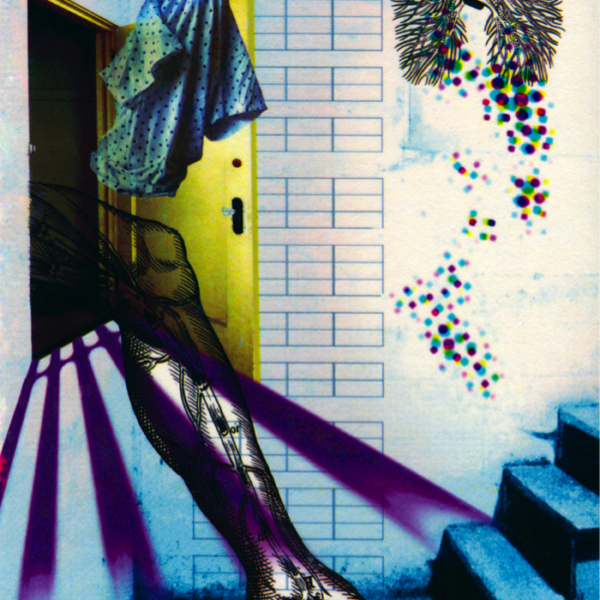
The very characteristics that disabled people value about their embodiment are targeted as bodily states that will be ‘fixed’ in the resurrection. If the Kingdom of God is a place that eradicates disability, however, it may also eradicate our hard-won disability pride.
PTN is now accepting applications from PhD students for participating in a virtual Dissertation Workshop in January 2021


Socially, economically, and politically the time of COVID-19 in the Pacific has been a mixed one. In one way it has been apocalyptic (literally an “uncovering” or “unmasking”); truths about the region’s true political economy can no longer be denied. On the other hand, the COVID-19 era has provided opportunities for governments to “mask” and cover up inconvenient truths of the region.

These systems of oppression, much like the golden calf, do not represent the God of love and righteousness. Instead, the fashioning of what can be tamed points to our depraved greed, moral bankruptcy, and the diabolical strategies we employ for survival.
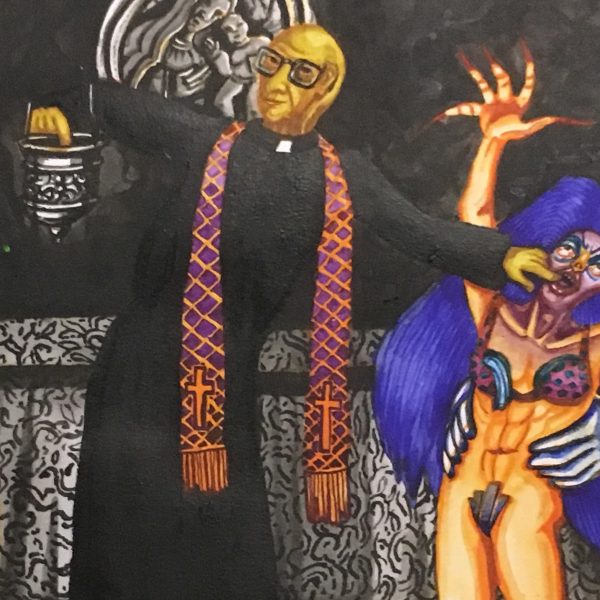
By the first decade of the nineteenth century, a new idea had entered the Western world. Psychiatrists, naturalists, politicians, and theologians throughout Europe and North America came to believe that there existed a form of insanity that caused its victims to express false religious opinions, to hold clearly unreasonable religious beliefs, or to dwell too deeply on religious issues.