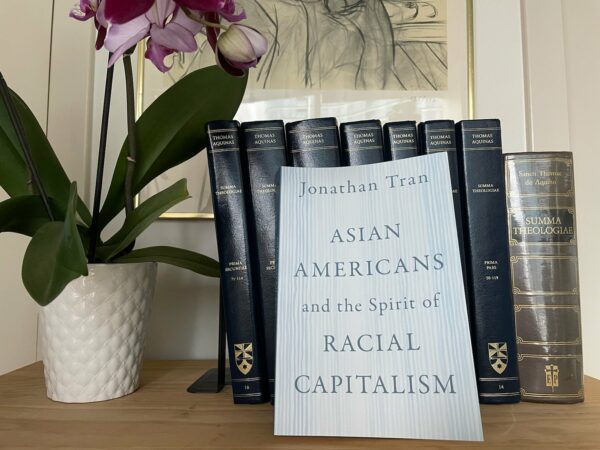
“Christianity redounds to its own political economy, first by making economy a general feature of creaturely existence and second by relating the kingdom of God to the economy of God, speaking of God’s reign as God’s grace. Racism and racial capitalism—epitomized but not exhausted by white supremacist Christian religion—are distortions of God’s kingdom and economy, rejections of divine rule and divine desire” (Asian Americans and the Spirit of Capitalism, 15).
The journal Political Theology has published volume 22, issue 8.
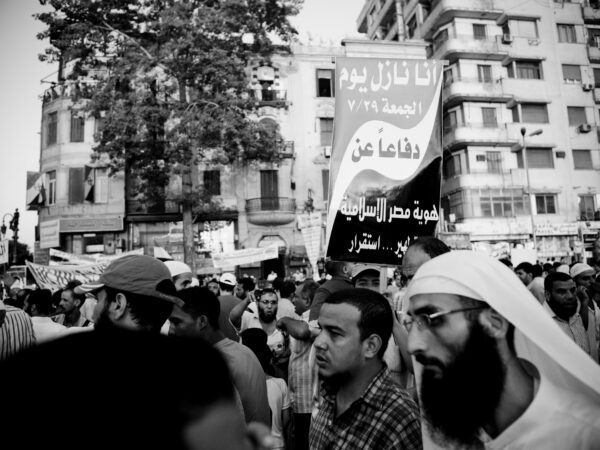
This post examines the Islamic movement that most explicitly patterns itself on early Islamic history –Salafism – and the way in which its distinctive social practices are fundamentally indebted to modern questions and challenges of visibility and social performance.

The Center for Political Theology is launching a new blog that interrogates the relationship between Catholic theology and political theology! Please consider submitting a symposium proposal.

The school of Talal Asad has identified virtue ethics as the primary model constituting the continuity of premodern Muslim thought with movements of the modern period. But is this model really the most characteristic common denominator of premodern Islamic thought?

In the introduction to the symposium “The Roots and Ruptures of Contemporary Islamic Piety,” Aaron Rock-Singer elucidates the questions within contemporary Islamic studies that stand between the completeness of historical narratives and the ruptures of Muslim intellectual, social, and cultural life.

We are pleased to welcome six contributors to discuss the state of many contemporary questions in Islamic studies.

This piece features a multimedia reflection on José Esteban Muñoz’s The Sense of Brown, which emphasizes the text’s radical approach to imagining solidarities and social relations beyond the normative paradigms of identity politics and its permutations. Through both textual poetics and sound design, Wadud and Lázaro Moreno riff off Muñoz’s own performance-based approach to storytelling and meaning-making, engaging Sense as an invitation to reconsider the aesthetic and philosophical terms of community-making, centering the power of counterintuitive methods.
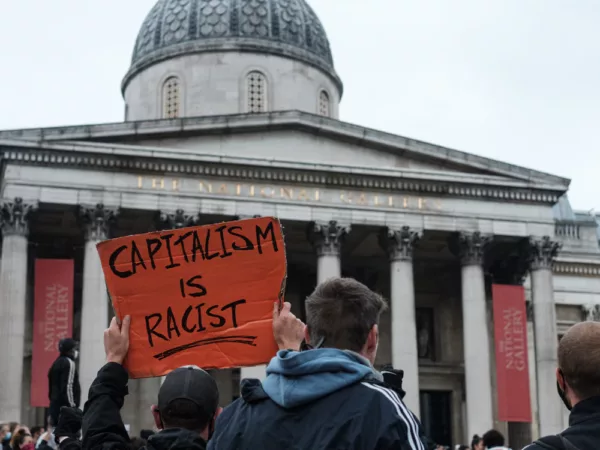
Vega focuses on three Robinsonian concepts that are useful for political theology: racial capitalism, Black radical tradition, and African metaphysics.
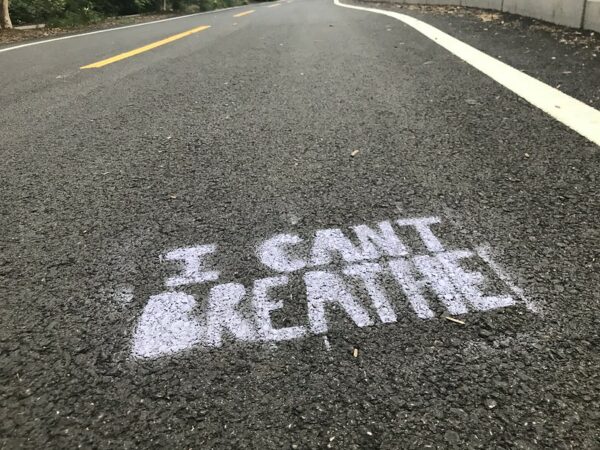
I am struck by the resonance of this notion of asphyxiation, of debilitation as asphyxiation, which makes sense not just to think about debilitated populations in the United States and Palestine/Israel, but also other populations too, in spaces ruled, albeit in different ways, by the logics of neo-liberal capitalism and biopolitical security.

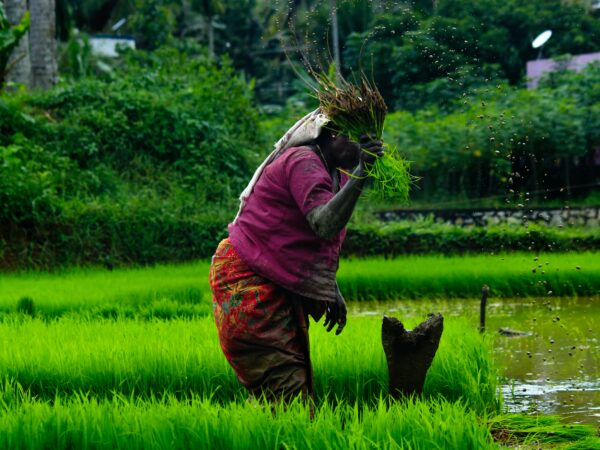
Subaltern hermeneutics offers two insights in this text, a “de-anthropomorphic” reading and “de-transcendental divine” reading. These readings offer hope to the subaltern communities in their journey of faith today and challenge all readers to seek partnerships with the creation, for Jesus is the crop….