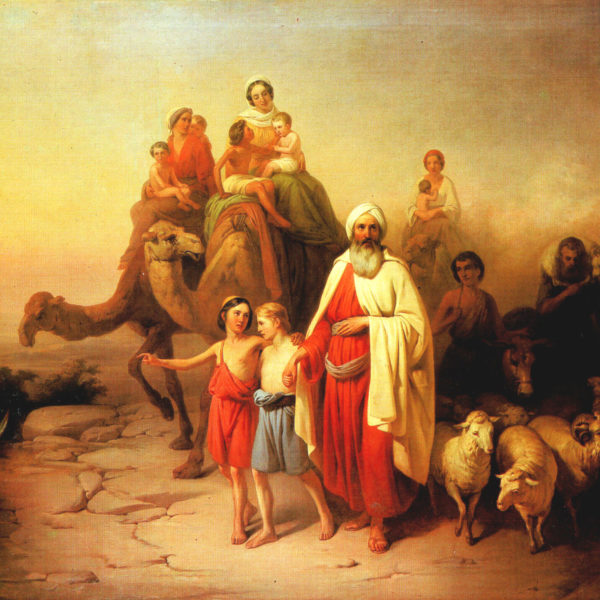
The quest for a homeland and the experience of being a stranger and an alien—a refugee—in the world is central to the calling of the faithful in Hebrews 11. This reality should remain integral to our self-understanding as the people of God today.
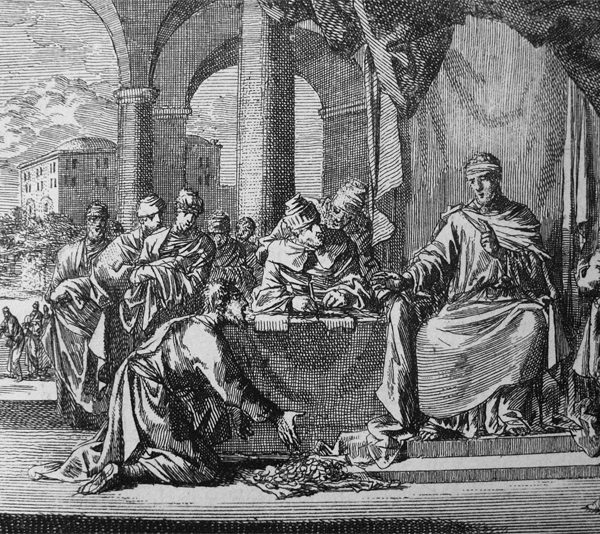
Although a superficial reading might suggest a straightforward interpretation of the Parable of the Talents, closer examination reveals troubling contradictions between this interpretation and the broader teaching of the gospel. Reading it as a descriptive parable of economic injustice provides us with a more satisfying, albeit grim, alternative interpretation.

Our discomfort with the notion of God visiting the sins of parents upon their children may lead us to avoid wrestling with Exodus 20:5-6. This would be a mistake. This reference occurs in the context of the prohibition upon idolatry and challenges both our attempts to sanitize God and our idolization of our children.
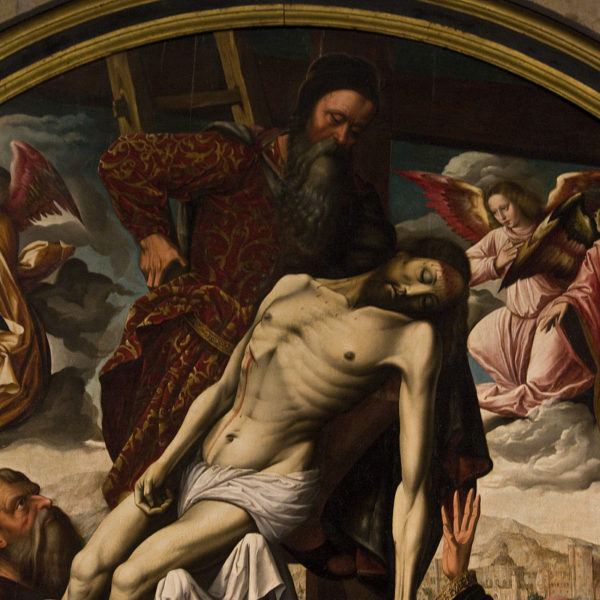
In most reflections about Good Friday and the events surrounding the Passion, the focus is squarely on Jesus, and to be sure, one can hardly deny that this is where it should be. However, it is interesting to note the extent to which the Gospel authors are quite interested in what these events reveal about the disciples that had followed Jesus up to this climactic point in his ministry—not just the Twelve, of course, but all those who had heard his word and believed in him.
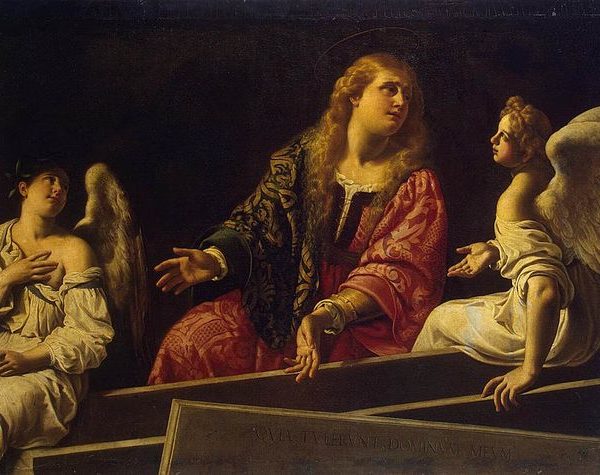
The encounter of Mary Magdalene with the risen Christ provides us with a model for understanding political theology. The elusive presence of the resurrected one and the emptiness of his tomb forbid all our attempts to secure his presence in our praxis and open up new ways of perceiving our social task.
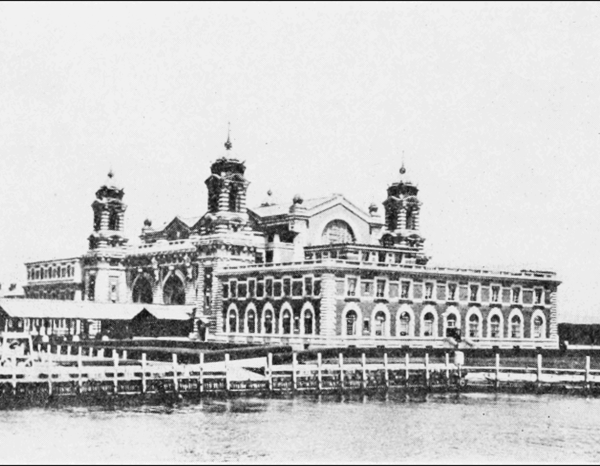
The first reaction of the reader to Abram’s calling, “That’s supposed to be me,” gives way to the second realization, which is “That COULD be me.” And it is in imagining the fear and anxiety normally attendant to leaving everyone and everything behind that the seed is planted in the reader’s heart for concern for real-life strangers.

Romans 13:1-7 has stood as one of the most important texts throughout the history of Christian political thought, but like so many biblical texts, has proven capable of being put to the service of several different—even contradictory—ends. The 16th century in particular stimulated several different readings of the passage, readings which have continued to remain popular down to the present day.
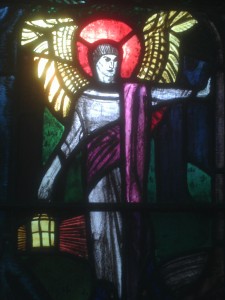
In a church in the suburbs of Belfast, there is a stained-glass window which takes its title and its subject matter from a line in one of this week’s lectionary readings (from chapter 22 of the Book of Revelation, or the Apocalypse of John): “The leaves of the tree were for the healing of the nations”. At the time of its installation (1920, one year before the partition of Ireland into North and South), this window – along with other works by the artist Wilhelmina Geddes – caused a stir by its Arts-and-Crafts Movement modernism. “Her glass is quite unlike that of most other stained glass workers”, according to the Irish Times; “the religion which it reflects is the religion of power and fighting, not the religion of peace and restfulness”.1 I saw this window on a brief trip to Belfast last October….

Why is populism persuasive and specifically persuasive to these religious Christians? Said another way, what makes right-wing populism seem, to deeply religious people, like the ‘ethical’ stance?